My first POTA
#pota #2025 #qrp #zbitx #tadoba #efhw #regulations #larc #field-ops #triplog
Reading time: 20 minutesA wonderful way to end the year and a year of many firsts in HAM radio for me. My first POTA was no different - it was a complete roller-coaster ride!1
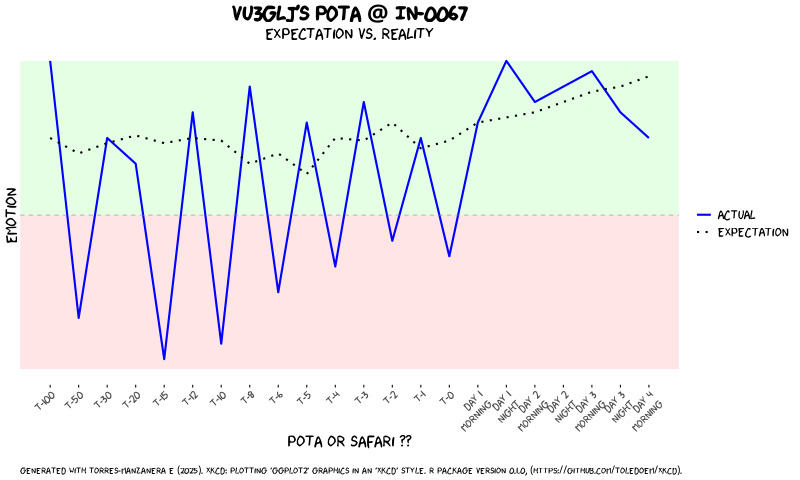
Figure 1: VU3GLJ’s POTA expedition emotional journey
This post will have a fairly large footnote section, so read on brave operator! The TL;DR version:
- There is many a slip ’twixt the cup and the lip 2
- Quirks & issues of the zBitx
- Did I even prepare for the POTA?
- Challenges with deploying the EFHW
- Successful activation of IN-0067
There is many a slip ’twixt the cup and the lip
The plan to visit the Tadoba Andhari Tiger Reserve was hatched by my sister a while ago. It was a trip that almost did not happen because of the challenges of finding the correct dates based on all our mQTH duties, the availability of slots for the safaris at the reserve, the possibility that the resort was outside the park (and therefore it not being eligible for a POTA), and the disruptions of flight services by Indigo3. The trip, however, did get me excited about the possibility of a POTA; in fact, I had even discussed the possibility briefly with VU2UCR (who has activated a number of parks).
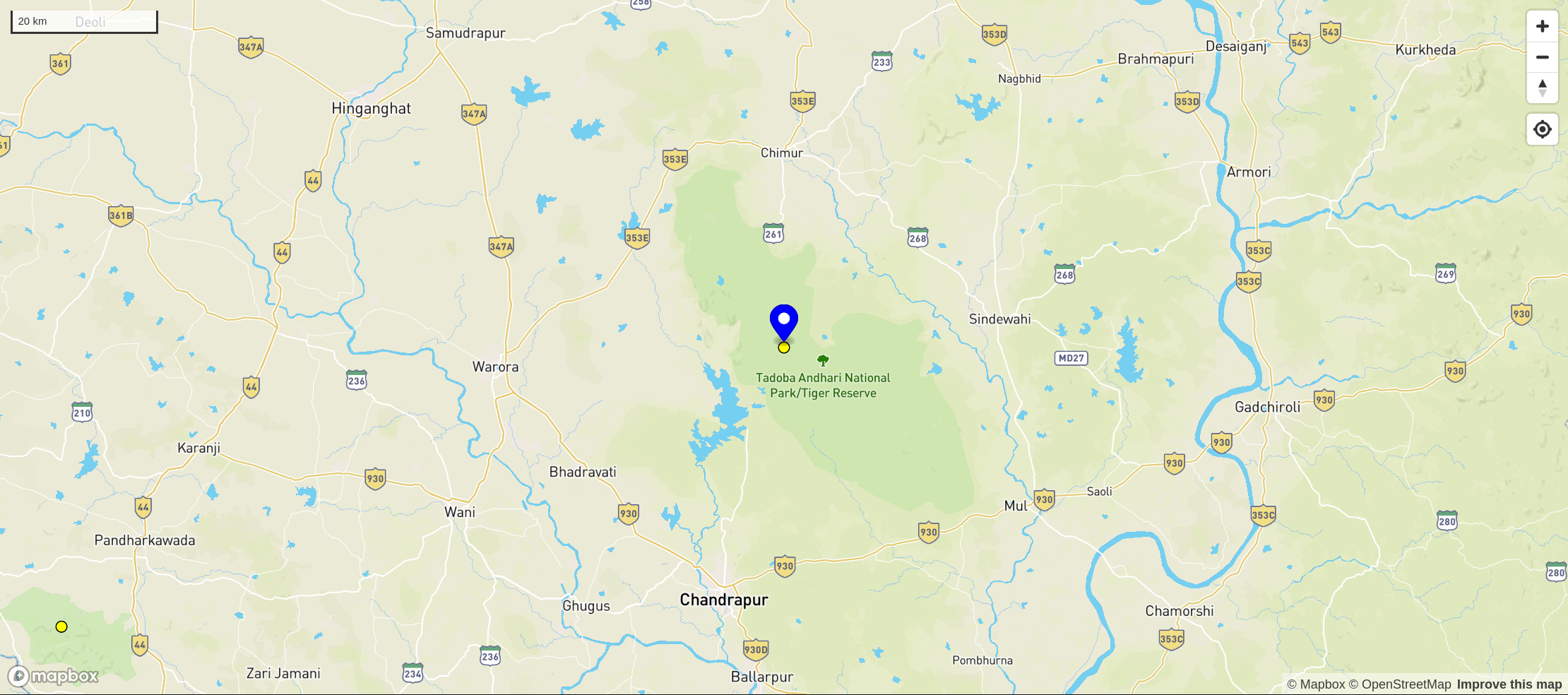
Figure 2: Location of Tadoba, IN-0067 (Map courtesy: https://pota.app)
However, given the numerous complexities that emerged4 such as the regulations on the maximum capacity of the battery that can be carried by air, my inability to make the QMX operational for the field (to be used over the IPhone for FT8, a 12V battery pack and the mic-speaker combination for SSB), I had all but abandoned the possibility of activating the park on this trip. Well, it should not come as a surprise, given the title of the post – despite all of my misgivings, I did end up going and activating the park with my newly acquired zBitx.
The tribe grows
Well, one of the reasons POTA was possible is because I did change my mind about the zBitx and bought one at LARC-85. It is altogether another story, that I almost did not end up going to LARC this year due to mQTH commitments. As always, LARC has pre-booking and offerings of sBitx, and this year they even offered the zBitx. Given the numerous issues I had read on the forum6, and the fact that I already had the QMX with me, I hadn’t booked one for myself. VU3TBU had decided to buy one, and I actively tried to dissuade him from buying it!
After a short discussion with my XYL, I did decide to buy the zBitx on the off-chance that I might carry it with me in order to activate the park. On the second day of LARC, I decided to check with VU2XZ7 and he had one unit left-over, and I was lucky enough to snag it.
Although I did have the zBitx, getting the batteries on time before I left to the park was a challenge. VU3TBU suggested I try Li-Ion from Robu8, and I did place an order to get it as soon as possible. In the meantime, VU3JIM suggested that I reach out to VU3ZNG, who (kindly enough) immediately asked me to meet him at his mQTH. It was such a pleasure meeting him and his sibling, and it was joy discussing research and learning about his wonderful expeditions9. He also maintains an SDR monitor using OpenWebRX+ page at https://rf.siritech.net/. He offered me the 18650 LiFePo4 cells as well as a case that looked like a power-bank that I could use. By the time I was back home, I was almost sure that POTA is a possibility!
A few issues known and my own issues!
The zBitx is a small radio which has very opinionated design choices. This has resulted in a few issues:
- Spurs on the radio10, I will show you an untrained person’s way of how I found it shortly through a video as well
- Heating issues (mostly on FT8)11, I will talk about this in a later section too
- Use of 32-bit on this does mean that I will be unable to replace it with other tools like FreeDV, MSHV, etc. I have been using 64-bit version12 of the OS creating by W9JES for a while on the sBitx and the quality of life improvements in it are wonderful
- The need for a USB keyboard, mouse and an external monitor with an HDMI mini connecting cable does mean though the radio itself is low-cost, any fiddling around (based on the manual13) currently requires a fair amount of investment in cost and space!
- The choice of an RPi Zero and a soldered RPi Pico also means lower possibilities for an immediate upgrade. But going by the track record for the sBitx, I do have some hope that there will be upgrades possible to the hardware
- In case we don’t do the setup, there is a possibility that there are NTP sync issues and therefore FT8 might have problems
- The use of 18650 LiFePo4 also means that the voltage is going to be a maximum of 7.4V and will only continue to drop while in usage14
Despite all of these issues with the radio, I did go ahead as I did want a stand-alone, self-contained unit that did not require any additional connections or devices to operate in the field.
Planning for a POTA
I am fairly sure activators would be much better prepared for a POTA than I was for this attempt. Yes, hindsight is 20/20, but I would have liked to prepare by addressing a few things I had learnt in my first field ops. I quickly tested the antenna and the zBitx from my balcony like I did with the random wire, and was happy with the results. I quickly put them together in the suitcase, printed out copies of my license and the notification by WPC15 allowing field operations across India unless they are restricted zones. Furthermore, I am also including an image version on the site here for folks who might be interested in the document or wish to re-use this for their use.
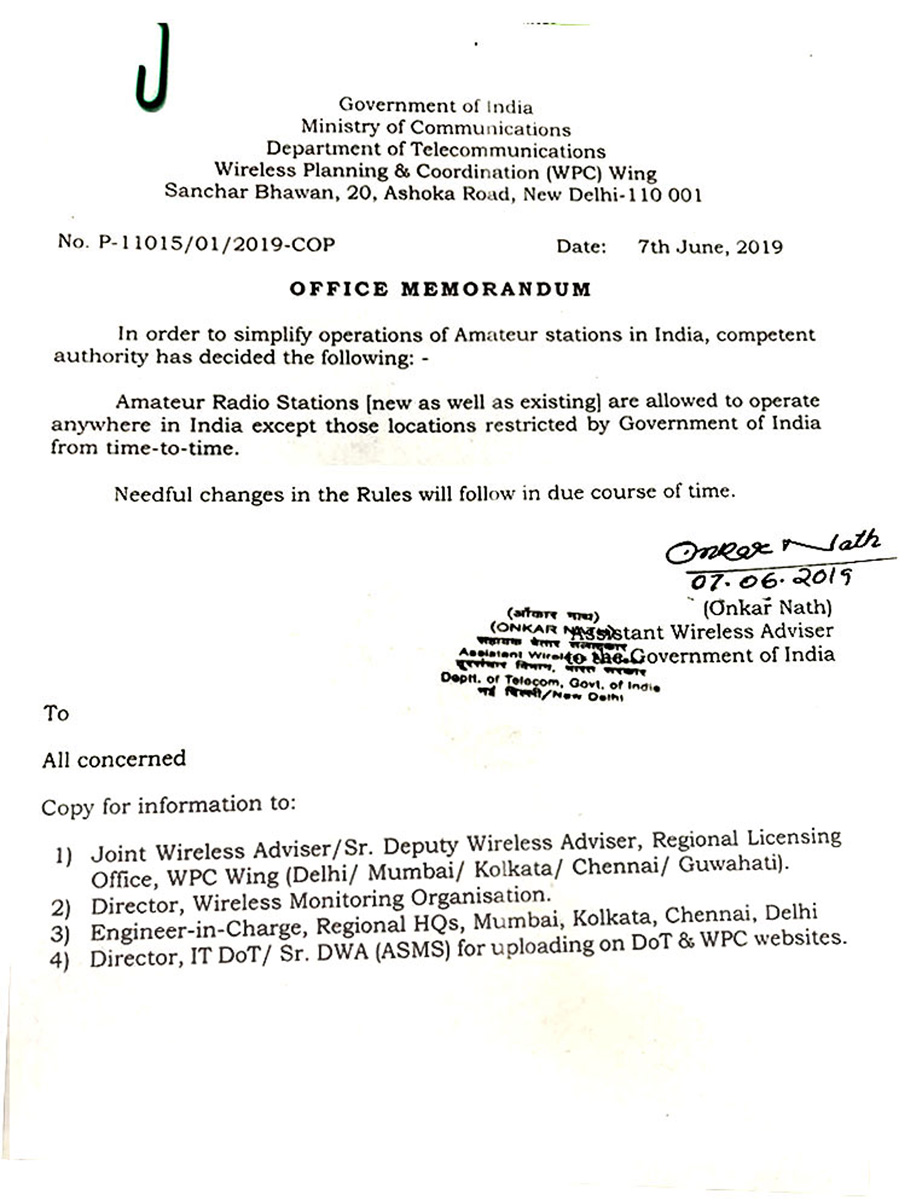
Figure 3: WPC Notification about field operations being permitted across India (right-click and open in a new tab if you want to save the image)
I thought it prudent to carry both these documents as I am bound to be pulled up for “random” security checks, not accounting for the ‘strange’ looking cells and a little device with wires sticking out (zBitx) I was carrying on the plane. I wanted to ensure that when I deploy the antenna at the park, I will not have any issues by the forest guards or the local police. This turned out to be a wise decision as I had to use these print-outs in the airport while clearing security in Bangalore and Nagpur. It really came in handy one day when there was a surprise inspection by the police one afternoon when I was deploying the antenna. The officials at all three places were very polite. A couple of them did not hide their amusement and curiosity about - these strange pieces of equipment, the fact that there was a government notification for the same, that there was an exam that I had to write to be a ’licensed operators’, and that I was prepared with these documents!
Letting the world know about the activation
The joy of activating a park, is not just the unique location, but also testing how well signal propagates from these locations that typically have low QRM. In order to make good of this opportunity, it is best to let the other operators about possible the activation, and for this, the ‘goto’ place is Pota.app. I had previously requested VU3XRY about adding Bhimgad Wildlife Sanctuary to the list during my first field operation. I announced the activation of Tadoba, which was previously activated by VU2UCR last year (please do check out his videos if you’re interested in mobile operations and would like to use your car). The additional step that I took this time around was registering on Summits-On-The-Air, Automāted and setting up triggers on Ham Alert. Please do check out both of these services, they were really useful in the field to let folks and me know what was happening while I was on the air.
Getting on the air
Although I wanted to set up the antenna as soon as I arrived, after a not-so-useful detour, I lost a whole evening. By the time I came to the resort, it was quite late. The silver-lining, however, was that the staff at the resort confirmed that we were within the buffer zone of the park and are very much considered park limits (this was confirmed later by a forest guide). The aforementioned ‘surprise’ visits by the officials were regularly conducted to ensure that resort operated within the rules set up for the buffer zone. As soon as I realised we were in the buffer zone, I quickly checked the grid location and realised I was in ML90SG.
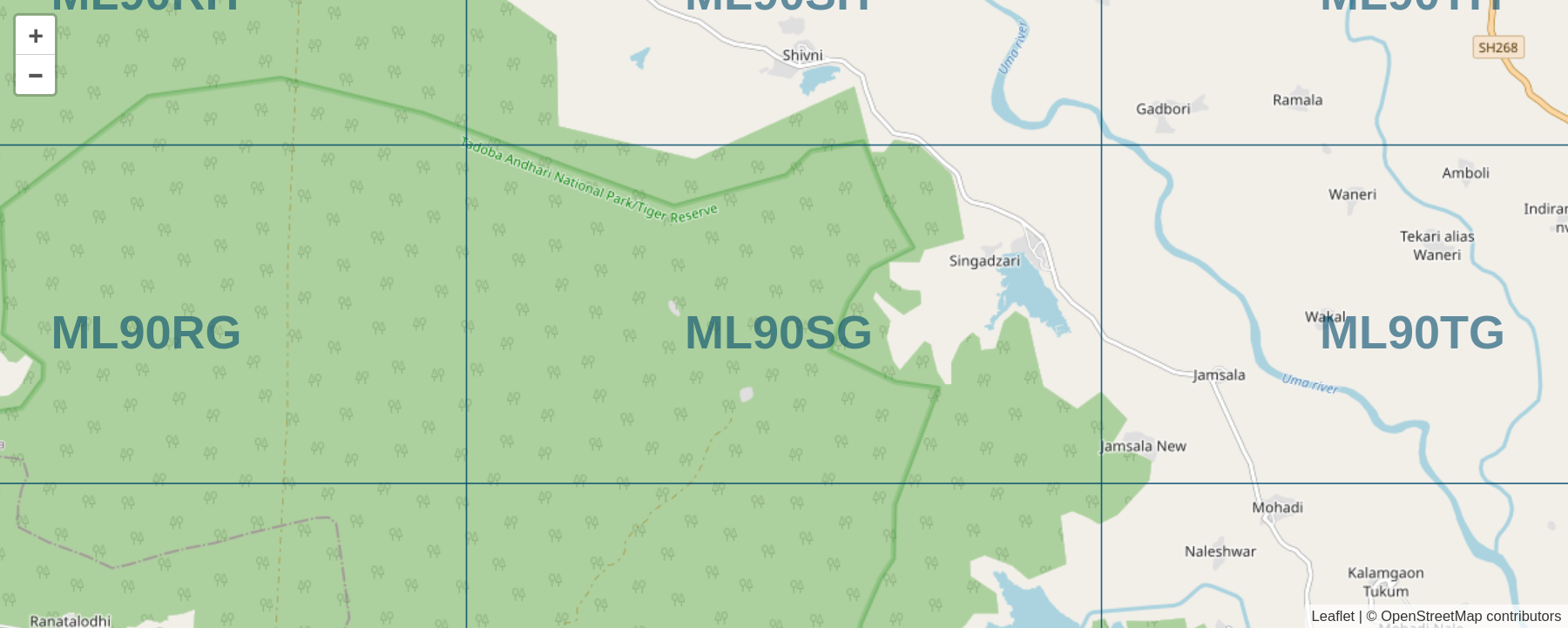
Figure 4: Location of campsite, ML90SG (Map courtesy: https://qsl.design)
Deploying the antenna
The next opportune moment to deploy the antenna was in between two safari rides and in the middle of the day. The site however, did not have a great layout for me to deploy the EFHW in a sloper configuration as there were a lot of young trees around that didn’t allow me to get either height or clearance for the radiating element to be drawn. I even considered converting it to an inverted-V for a couple of minutes to check if that might even allow some operation from the location. Based on the learning from last time, I used a filled plastic bottle instead of a stone to try and get the wire up in the air. It did turn out to be much easier and quicker to hoist the antenna up over the tree, the deployment of the antenna turned out to be a fun “family” activity with both my parents, my brother-in-law and my nephew joining in. The antenna was finally deployed in SE-NW direction.
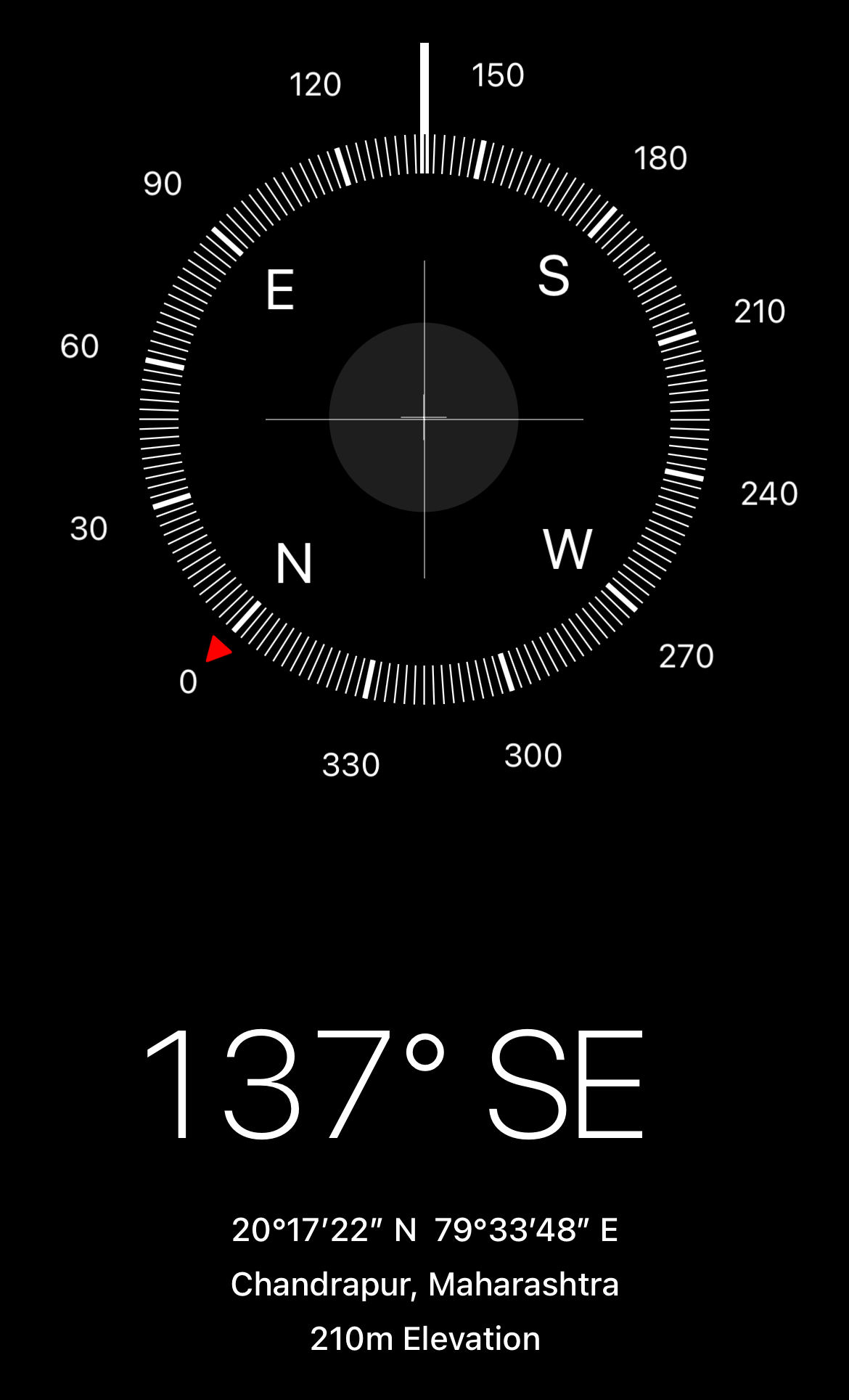
Figure 5: Antenna deployed at 137 degrees SE
And here is the radiating element anchored up to the tree, please do pardon the quality of these images, I am yet to figure out the best manner to take these photos. My attempts at getting the bottle up the trees has improved, and I was able to get to about 30 feet up.
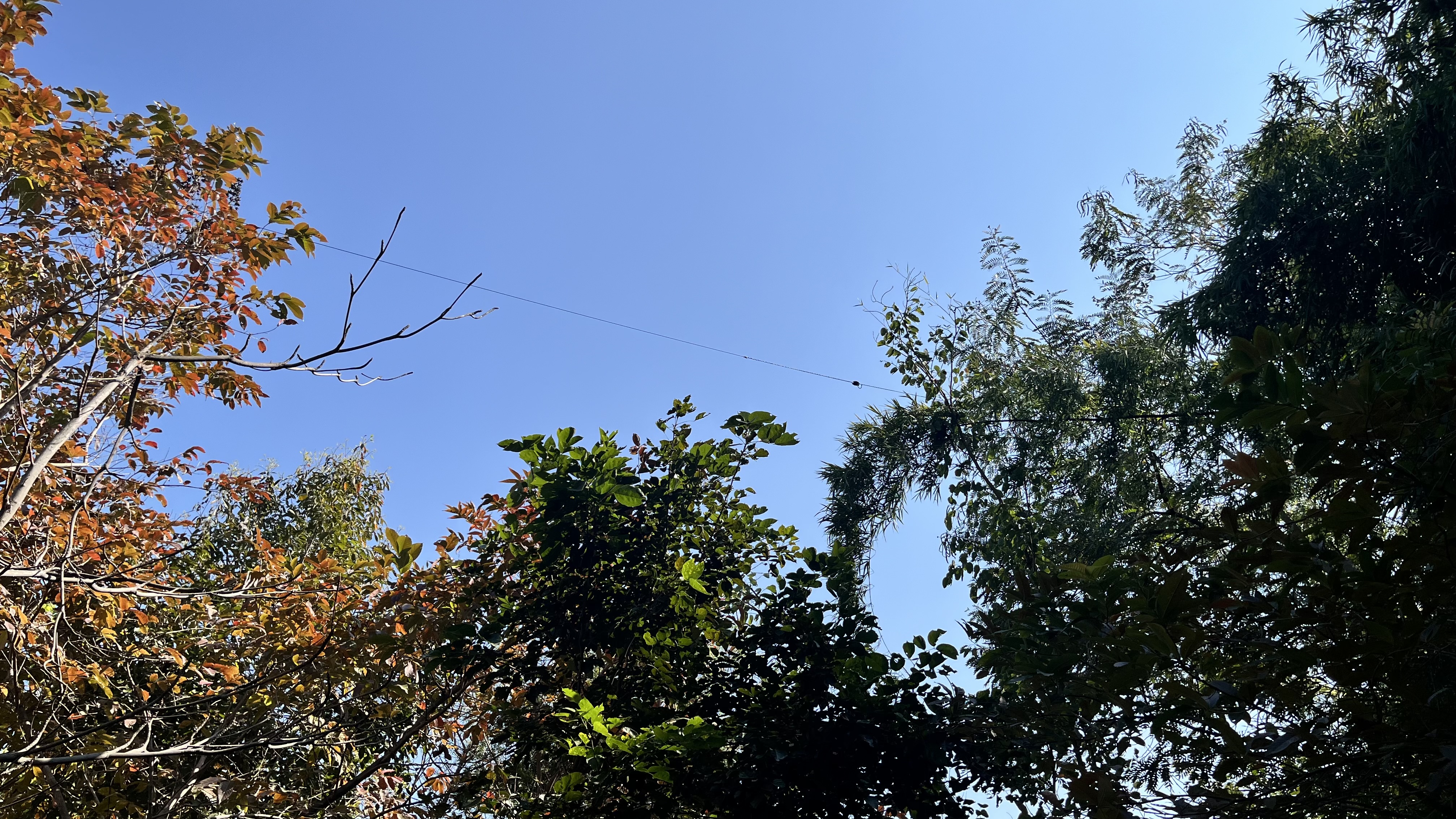
Figure 6: Top anchor of the EFHW radiating element
And here is a quick animation of the ends of the antenna wire, as you can see from these images, there wasn’t much of a clear area for me to be able to use easily, so I had to make do with what I had.
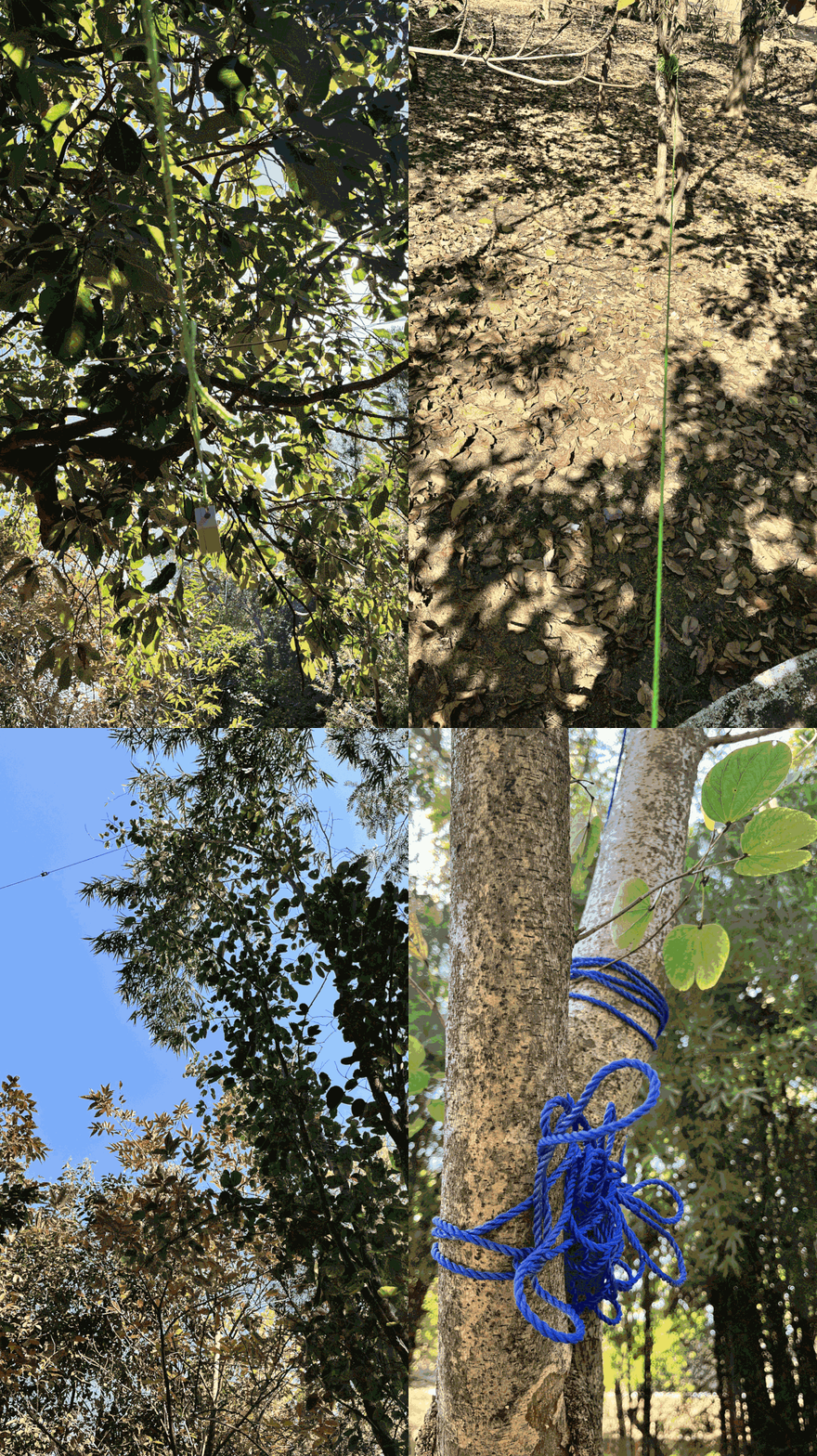
Figure 7: A quick animation of the ends of the EFHW
The readings on the nanoVNA for this deployment seemed interesting, and I realised that I do need to factor in some time to trim the wires of this antenna when I get back to my QTH.
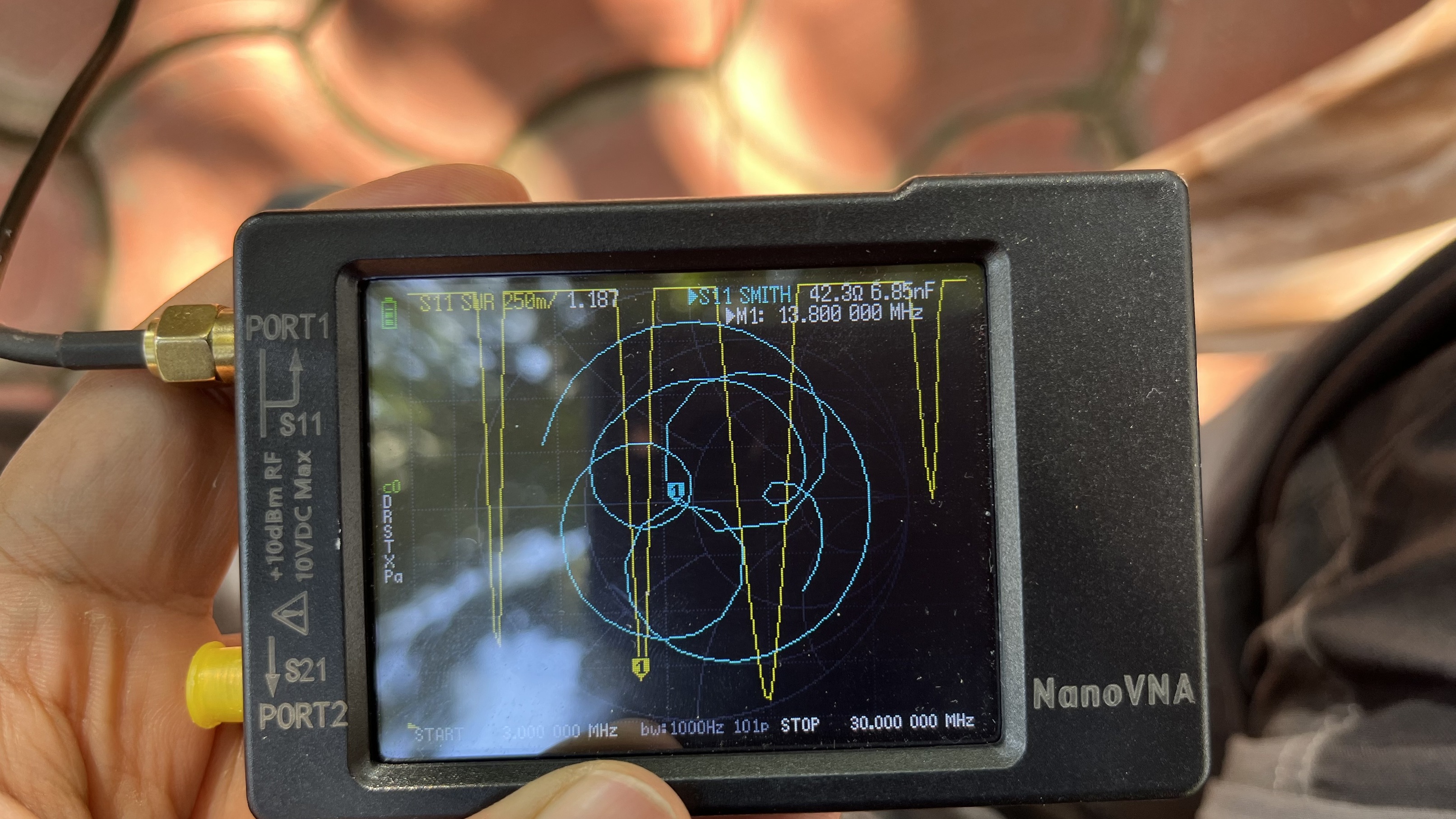
Figure 8: SWR and Smith chart on the nanoVNA
Successful activation
I was on the air in a matter of minutes, and surprisingly got my first QSO with BH8SDS on location! This was a pleasant surprise for me as I didn’t expect to get the signal out. Here is the obligatory screenshot from PSKReporter from my phone. PSKReporter seems to be using my QTH location to map the distance and not necessarily the actual location of the propagation.
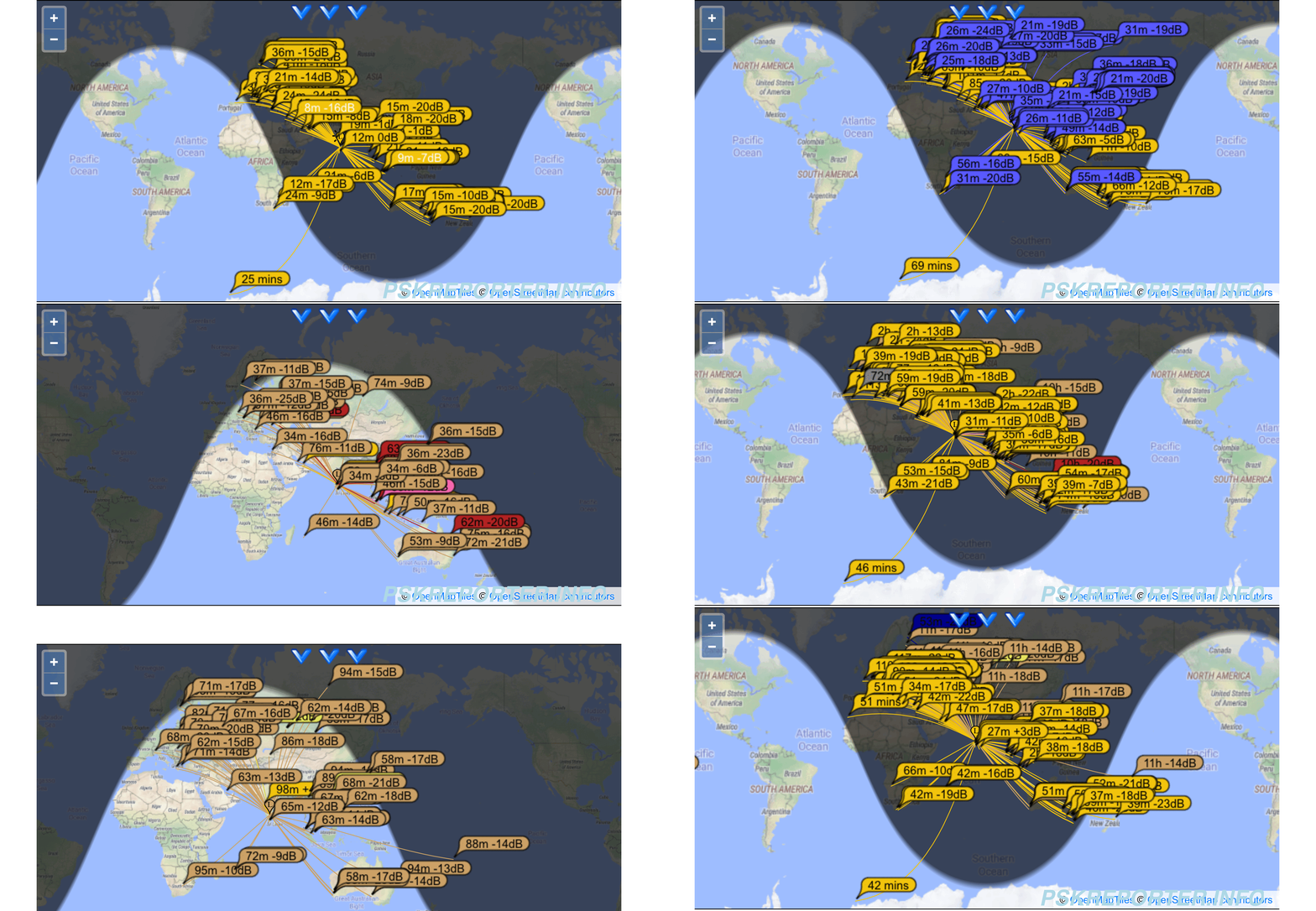
Figure 9: PSKReporter screengrabs from different days
I was excited about the possibility of checking in on SSB as well! That would have been icing on the cake! Unfortunately, there was a large group of nuisance mongers that generated enough human-QRM that I couldn’t check in while I heard the Net underway on 7.150Mhz. I would have loved to do some QSOs on SSB as well, but couldn’t do so as planned on the first day. I wrapped up after making a few contacts, and checked in with the local POTA group if this counted as an activation as temperatures had dropped to the single digits in the night. Furthermore, I started operating on the second day again when I had the time and surprisingly, received an email from F5PYI about SSB activation. He was looking forward to hunting me down and mentioned that there were a bunch of them who’d like to have this exchange the next time on SSB as they don’t operate on FT8. Unfortunately, with a QRP rig and my inexperience, I wasn’t able to check how much propagation would work, and I wasn’t able to help him hunt this park.
At LARC, I met with VU3IHK and VU3FXE and we quickly formed a group to discuss 3D printing parts for our home-brewing activities and QRP rigs. They were based out of Hyderabad. While doing this, I realised I could see folks responding to VU3IHK, but could not see VU3IHK’s response at all. This was true on all bands, and he had the same problem with my calls. I would love to investigate this further to understand how ‘skip’ zones function and what the different strategies employed in the field are. I was able to make a QSO with VU2LU from Bangalore and a couple of more HAMs further south in Kerala in India. The joy was the ability to make QSOs with Poland and Samoa (my first ever) on 4W with this QRP rig from the field. I ended the activation with a total of 36 QSOs from IN-0067 in 2 and half days across 15m, 20m, and 40m all on FT8. So, this turned out to be a digital only - rather FT8 only activation - this time around, although I had hoped SSB would happen.
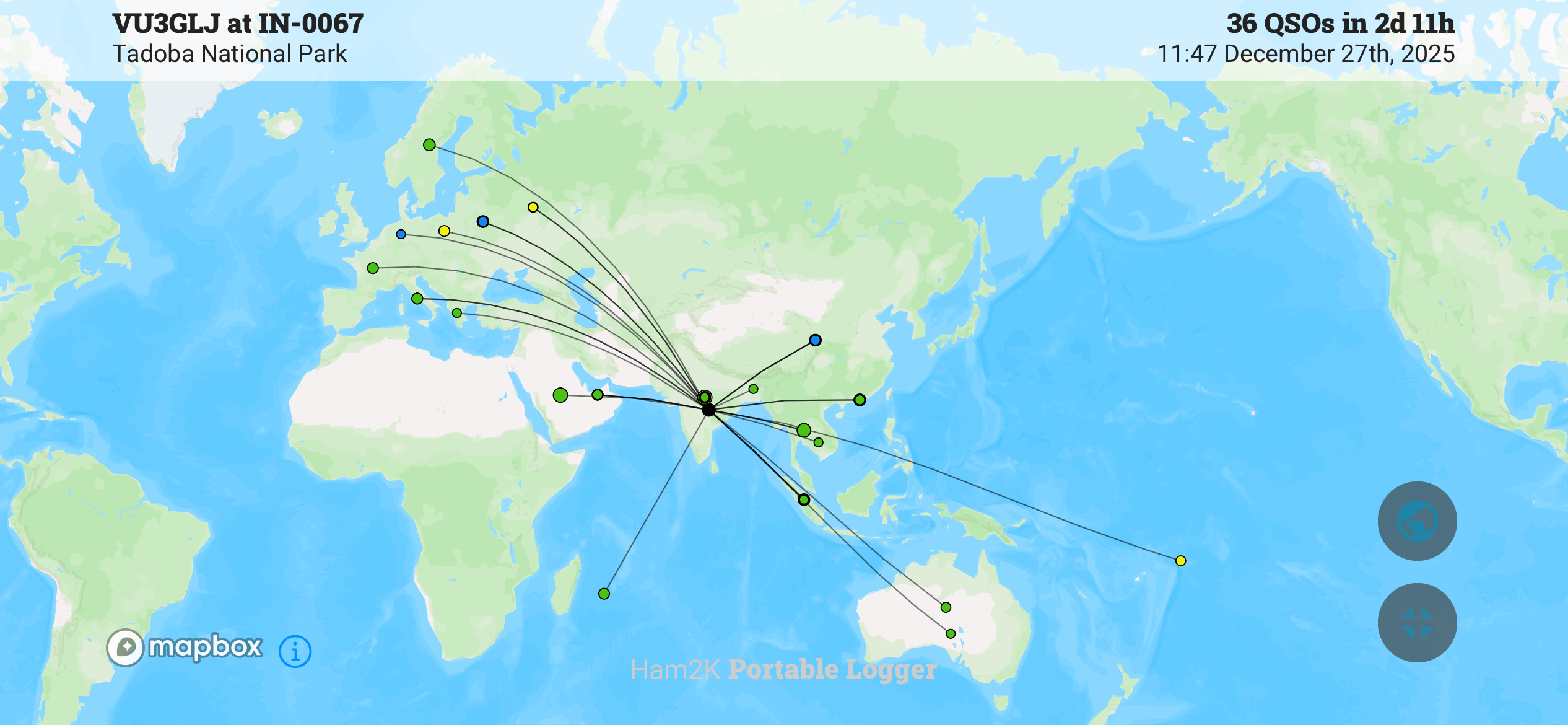
Figure 10: 36 QSOs from IN-0067 (Screengrab from PoLo application)
I had to shut down operations on the third day primarily because all four of the LiFePo4 cells started dropping below 6V (in any combination of two cells), even though the rig was still operational, seemed to be showing CQ, and capable of receiving signals. I was unable to see it being spotted by anyone else on the usual channels. So, I decided to call it a day and wrap up, though it would mean the third day would be counted as an unsuccessful attempt. A good power-bank might have helped with spending more time online and not being so anxious about the power situation. Given the SWR I had on other bands (which unsurprisingly) had more activity, I do also need to investigate the possibility of a QRP ATU that can be modular with the zBitx and/or sBitx. That would have definitely boosted the possibility of more QSOs.
zBitx in the field
I was pleasantly surprised by the performance of the zBitx in the field, it held up and did not cause a problem, even once. As VU3GWN says, it needs some love and care to coax it into the desired performance. I’m hoping future generations will also improve the performance much better. SSB Rx was remarkable on it, and I didn’t find any heating issues then. On FT8, it could get terribly hot fairly fast and was hard to hold in the hand. It was only during the nights when the temperature dropped to single degrees, that I did not feel it heat up much. Well, I am not sure if this was because my hands/fingers were numb with the cold or if the Wx and breeze helped cool it quicker.
In addition, the current OS on zBitx is cumbersome, and I need either switch to lighter version like https://github.com/dg0jde/zbitxd or play around a bit with https://github.com/ec1oud/sbitx/tree/zbitx-32bitnot to check if this suits me better. This will also involve possibly testing out headless login on the zBitx like how I would work with the RPi OS by default. I would have to change the interface by default for SSB and FT8, modify the manner in which the log is displayed, and change the way FT8 macros are created and a few other things. For example, I would have loved to call CQ POTA VU3GLJ ML90SG, but it currently doesn’t provide for that possibility.
Given the 18650s I was carrying, the maximum output I observed was 4W. There have been claims of getting upto 8W by folks in their videos and write-ups, so I would be curious to see how that can be achieved for short bursts when in the field. It would be useful to figure out how to reduce the consistent noise on SSB and check if that is a result of the antenna or just the radio being the radio. Given that I am unable to use WSJT-X or MSHV currently on it, it did make it cumbersome to use FT8 with the native interface provided.
The fact that it does not have a simple way of getting logs out, meant that I had to use PoLo to manually log them on the IPhone, and then upload them to pota.app - and this was cumbersome. It would have been ideal if there was some way to at least upload to LoTW (or given that this is designed to be a portable radio), or, to some other service. This small change would have made life a lot simpler.
While the zBitx worked OOTB without me having to fiddle around (kudos to HF Signals for ensuring that it did, especially after reading the initial reviews), this radio requires a substantial amount of work for me sop hunting for a better alternative for my modes, i.e, SSB and FT8.
Fixing logging workflow
I had already registered on pota.app, but it wouldn’t allow me to upload the logs from PoLo from the phone directly due to some weird interface issues. I finally figured out on the one of the Discord groups. An easy workaround on the iPhone is to set zoom to 30%, then tilt the phone to landscape mode. This surprisingly minor step allows us to upload the logs on pota.app. Thanks to VU3IBL for the gentle nudges to upload the logs as quickly as possible in order to ensure that it is recorded, and the hunters also get the requisite logs in place.
I do need to find a simpler workflow for this process - I am not on QRZ, HRDLog, Clublog, LoTW, eQSL, and World Radio League, just to name a few. Uploading logs on each one of these is a pain. All of them do seem to work well with syncing with LoTW, but otherwise uploading to each one of them is an unnecessary task. LoTW requires the logs to be signed, which means I have to do it on my laptop and can’t do it directly on the phone. And carrying the laptop to the field for each of these trips is definitely not possible. I do need to figure out better workflows for managing logs, whether in the field or otherwise. Please do let me know if you have ideas about this.
Joys of the field operation and my first POTA
- The support from fellow HAMs was really amazing, right from the availability of the zBitx, to the PIF by VU3ZNG, the VU Parks on the Air group, the Discord POTA group, and the always available VU3JIM and VU3TBU.
- I’m not sure if it is just me, but seeing the screen light up when the antenna is plugged into the radio, and listening to crisp audio is a definite thrill.
- I was pleasantly surprised by the curiosity and questions of the staff at the place I was staying at, the security personnel at various places and by folks around when they saw the radio (in action or in the tray)!
- Given the drastic drop in temperature, the kind folks at the resort even organised a nice little bonfire for me so I can stay warm while I operate.
- The changes in band conditions did keep me on my toes whenever I did go on the air.
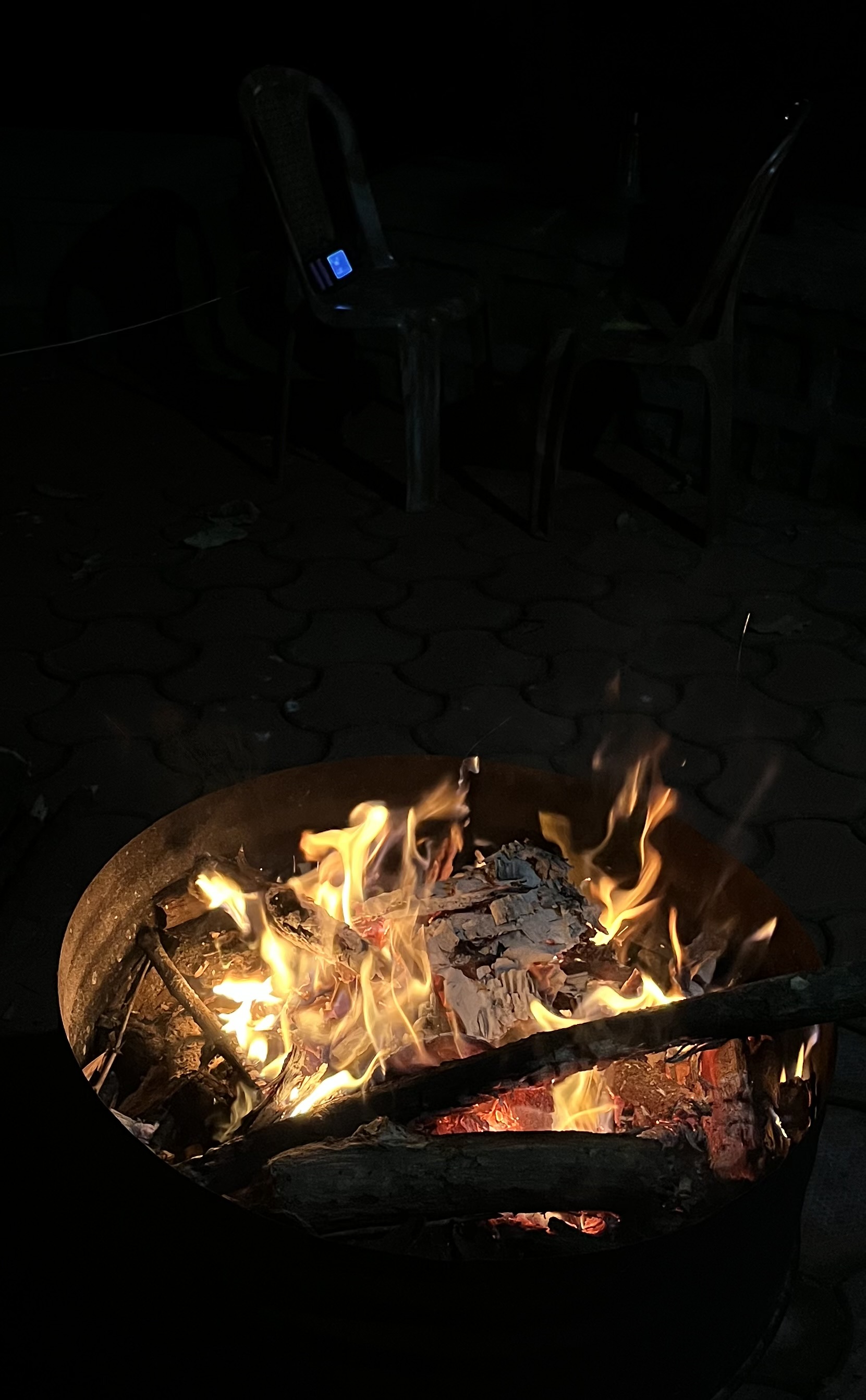
Figure 11: My own little bonfire while I activate IN-0067
Bonus
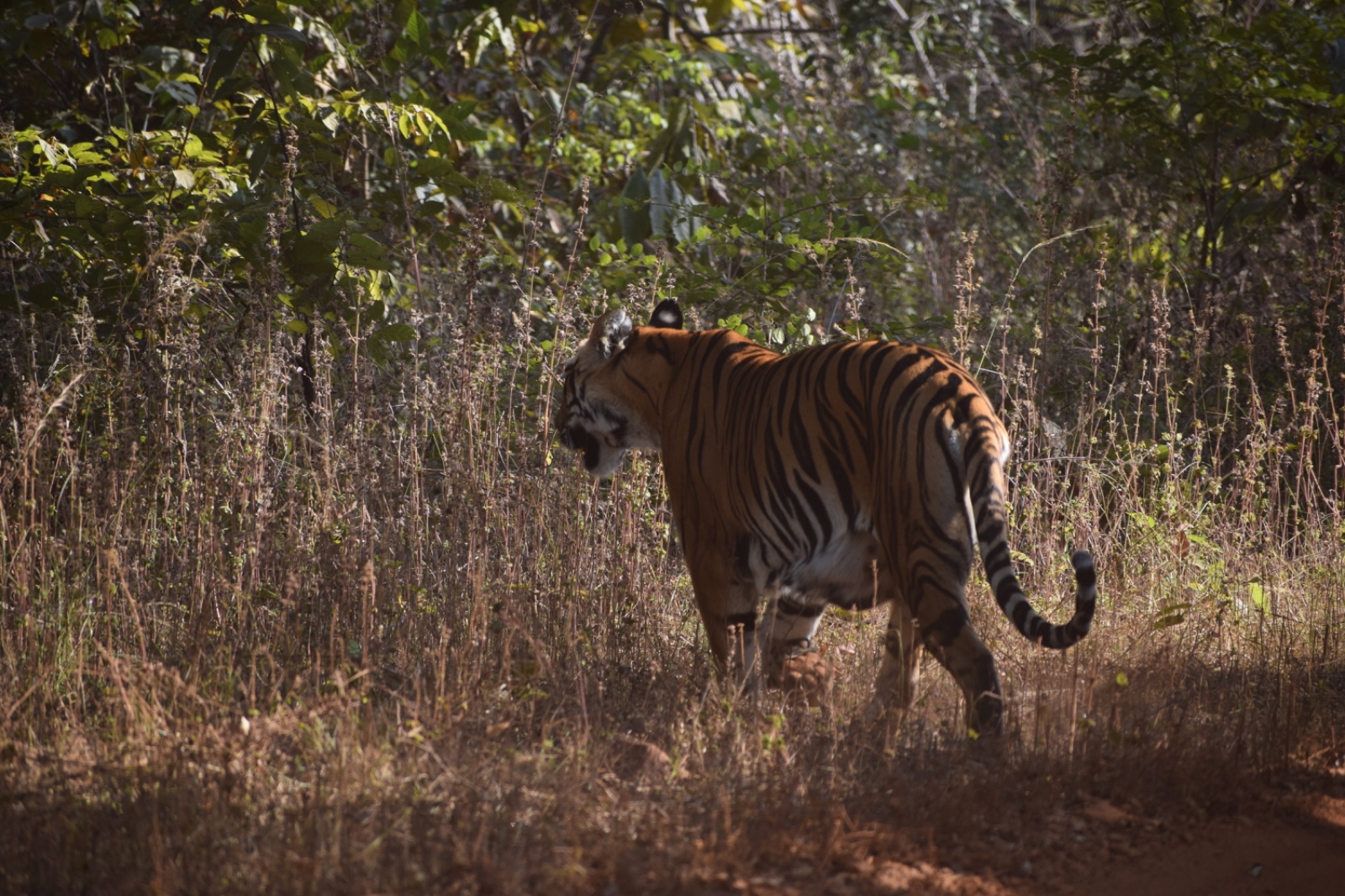
Figure 12: Junabai graced us with her presence in Tadoba. December 2025 (PC: Brother-in-law)
As is the case when you are in a Wildlife Reserve/National Park, we did spot half a dozen tigers, a leopard and a tonne of birds. It would have been really great to have a naturalist or a birder with us to help us enjoy it a bit more though! The birds we spotted were the Cotton Pygmy-goose, Indian Spot-billed Duck, Little Cormorant, Oriental Darter, Little Grebe, Common Kingfisher, White-throated Kingfisher, Pied Kingfisher, Bronze-winged Jacana, White-breasted Waterhen, Common Sandpiper, Little Ringed Plover, Black-headed Ibis, Asian Openbill, Painted Stork, Red-wattled Lapwing, Cattle Egret, Little Egret, Grey Heron, Indian Pond Heron, Little Swift, Nightjar, Oriental Honey-buzzard, Crested Serpent Eagle, White-eyed Buzzard, Shikra, Black Kite, Jungle Owlet, Mottled Wood Owl, Grey Junglefowl, Indian Peafowl, House Crow, Jungle Babbler, White-browed Wagtail, Paddyfield Pipit, Grey Wagtail, Indian Robin, Oriental Magpie-Robin, Pied Bushchat, Long-tailed Shrike, Indian Pitta, Common Mynah, White-throated Munia, House Sparrow, Indian Bushlark, Indian Grey Hornbill, Common Woodshrike, Red-vented Bulbul, Indian Golden Oriole, Black Drongo, Greater Racket-tailed Drongo, Yellow-crowned Woodpecker, Rose-ringed Parakeet, Plum-headed Parakeet, Spotted Dove, Yellow-footed Green Pigeon, Rock Pigeon, Green Bee-eater, Rufous Treepie, Greater Coucal, Common Tailorbird, White-browed Fantail, Purple Sunbird.
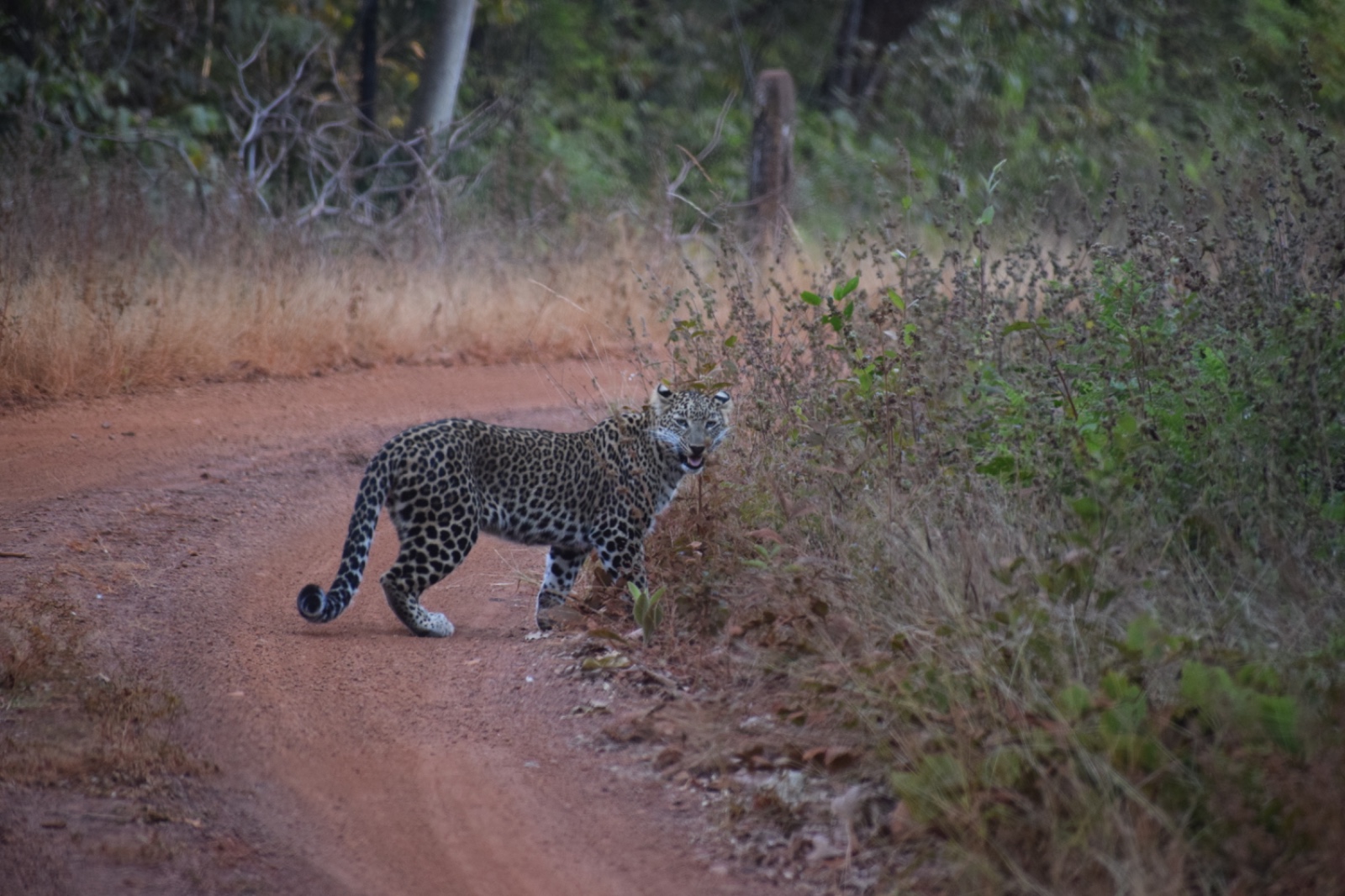
Figure 13: The female leapard was on a chase in Tadoba. December 2025 (PC: Brother-in-law)
Things to do before the next operation
- Use an SD card on the nanoVNA to be able to take better screenshots
- Figure out use of RBN and Ham spots, WSPR, etc. or a similar mechanism to understand propagation better. PSKReporter isn’t a reliable source!
- Prepare for SSB on the zBitx
- Investigate the phenomena of skip zones
- Create a larger power-bank from multiple cells with voltage selection between 5V-13V in order to be able to use it with the QMX, zBitx and possibly with the sBitx.
- Investigate the possibility of a QRP ATU-10 or ATU-100 figuration with the amount of power draw.
- Investigate better cooling possibilities for the zBitx
- Investigate the possibility of an amplifier, this might not be useful from a QRP perspective or the back-pack perspective.
- Need to work on different baluns for the EFHW to test performance when in the field next time.
- A simpler logging workflow for the field and in general.
This graph was generated with Torres-Manzanera E (2025). xkcd: Plotting ‘ggplot2’ Graphics in an ‘XKCD’ Style. R package version 0.1.0, https://github.com/ToledoEM/xkcd. ↩︎
The more familiar version is ‘many a slip between the cup and the lip’, while I have referenced the version from Ingoldsby, Thomas. The Ingoldsby Legends; Or, Mirth and Marvels. R. Bentley, 1866. ↩︎
The simplest explanation is lackadaisical attitude of the management, but there are various other theories floating around. You can also read more about it at https://en.wikipedia.org/wiki/2025_IndiGo_disruption (Last accessed on Saturday, 03 Jan 2026). The simplest travel route to Tadoba from Bangalore is to fly into Nagpur and then to drive to the Tadoba. ↩︎
Aptly captured in Snicket’s, Lemony. “A series of unfortunate events.” Children’s Literature in Education 32 (2001). ↩︎
Lamakaan Amateur Radio Convention takes place 2nd Saturday & Sunday of December every year: https://larc.in/events/688a1273700193b4faef9e69 (Last accessed on Saturday, 03 Jan 2026). ↩︎
Please do check out the groups.io forum at https://groups.io/g/BITX20/search?p=recentpostdate%2Fsticky%2C%2C%2C20%2C2%2C0%2C0&q=zbitx for the (Last accessed on Saturday, 03 Jan 2026) current set of issues with it. ↩︎
Well, it would be fair to say that I did hound him ;-) ↩︎
I have bought multiple products from them in the past, apart from a DOA for the buck converter, their products have been fairly reliable. ↩︎
Please do check out his expeditions, I read up about SOTA when he showed me photos of his field operations. It is a travesty that we don’t have a regional manager or association for SOTA in VU land (but I guess that is a post for another time on how inward looking it is here). ↩︎
Follow-along the thread at https://groups.io/g/BITX20/message/119797, https://groups.io/g/BITX20/message/117374 you will find detailed information that I am not technically equipped to reproduce here. ↩︎
Threads at https://groups.io/g/BITX20/message/117160, https://groups.io/g/BITX20/message/118019, https://groups.io/g/BITX20/message/120166 &https://groups.io/g/BITX20/message/120134. ↩︎
Available at https://github.com/drexjj/sbitx ↩︎
The current manual provided at https://www.sbitx.net/wp-content/uploads/2025/02/zBitx-User-Manual-.pdf (Last accessed on Saturday, 03 Jan 2026) ↩︎
The HF Signals web page for the zBitx at https://www.hfsignals.com/index.php/zbitx/ says LiPo batteries whereas the manual says Li-Ion. ↩︎
A copy of it is available at https://www.qsl.net/vu2msy/ASOC_EXAM/WPC_June_Portable_Operation_NotificationJune2019.pdf (Last accessed on Sunday, 04 Jan 2026). ↩︎