Parks on the Air (POTA) in India: Current Operational Status and Pathways for Participation
#pota #field-ops #analysis #data #presentation #india #vuland #hamfest
Reading time: 9 minutesHamfest India 2026, NITK Surathkal, Mangaluru (28–29 November 2026).
Complete details, interactive charts and data tables are in the accompanying post: Status of POTA in India
Introduction
- Amateur radio has a long tradition of field operations
- ARSI runs the National Field Day & Hill Topping, QRP-DAY and VU-DX contests
- Programs that run all year:
- POTA: 10 QSOs on a single UTC day1
- WWFF: 44 QSOs for an activation
- SOTA: activating mountain summits
Why this study?
- Inspired by K4FMH’s analysis of U.S. POTA activity2
- Participation in India remains comparatively low
- Questions:
- How are POTA parks distributed, and how has activity grown?
- Who is activating and hunting them?
- What are the barriers, and how do we lower them?
Approach
List of active parks
- India has 1,014 Protected Areas3
- 106 National Parks, 573 Wildlife Sanctuaries
- 115 Conservation Reserves, 220 Community Reserves
- Only 191 are listed on POTA
- Park data from the POTA API, mapped against India’s GeoJSON outline
Active licensed operators
- No public, centralized regulatory data
- Hamfest India 2026 lists 590 registered HAMs4
- A dual-method census using only open data:
- Intentional log uploaders (2024–2026): LoTW, POTA, CQ, IARU and ARRL contests
- Active RF emitters (recent snapshots): RBN, PSKReporter, WSPRnet5
Limitations
- QRZ.com and similar platforms block automated access
- Only digitally verifiable HF footprints are counted
- VHF/UHF-only and paper-log operators are missed
- Our focus: HF operators who interact with the global community
Park Distribution and Activation Status
- 191 parks listed, 50 activated, 104 successful activations
- 141 parks (73.8%) have never been activated
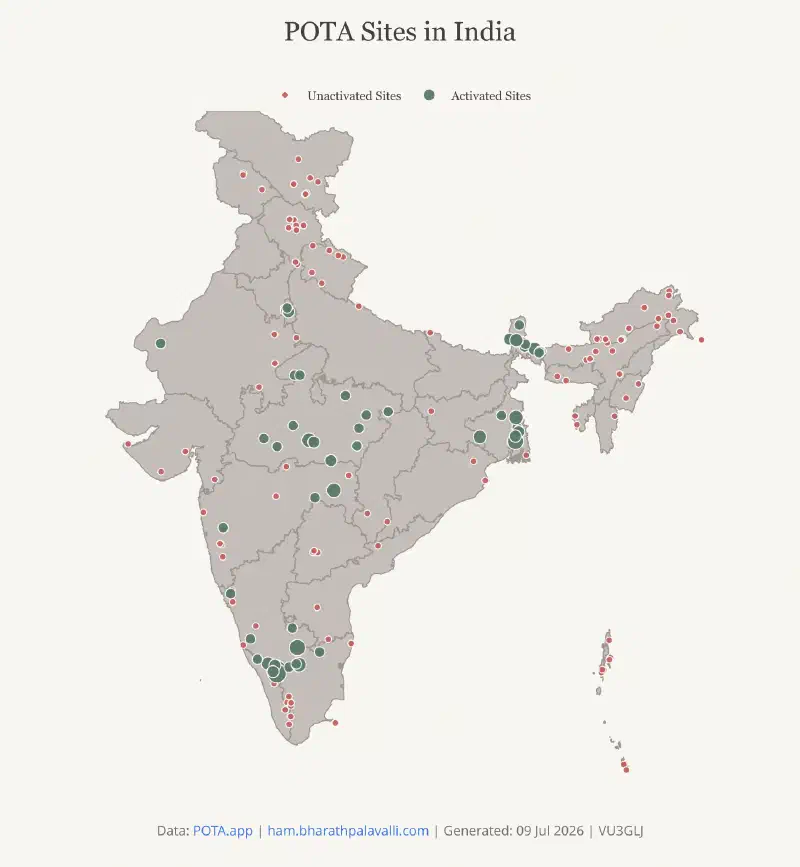
Figure 1: Geographical distribution of unactivated and activated POTA sites
Where are the activations?
| State / Region | Parks | Activated | Activations |
|---|---|---|---|
| West Bengal | 26 | 15 | 32 |
| Karnataka | 15 | 10 | 28 |
| Madhya Pradesh | 13 | 13 | 18 |
| Tamil Nadu | 6 | 2 | 11 |
| Maharashtra | 17 | 3 | 6 |
- 20 states/UTs, holding 92 parks, have zero activations
- Arunachal Pradesh alone has 24 parks and no activations
The long tail
| Activation tier | Parks |
|---|---|
| Unactivated | 141 |
| 1 activation | 30 |
| 2 to 5 | 16 |
| 6 to 10 | 4 |
| 11+ | 0 |
- 141 first-activation opportunities waiting!
A few parks do the heavy lifting
- Mudumalai and Bandipur alone: 18 activations
- Top 4 parks: 30 of the 104 activations (28.8%)
- Perfect equality would be the straight diagonal6
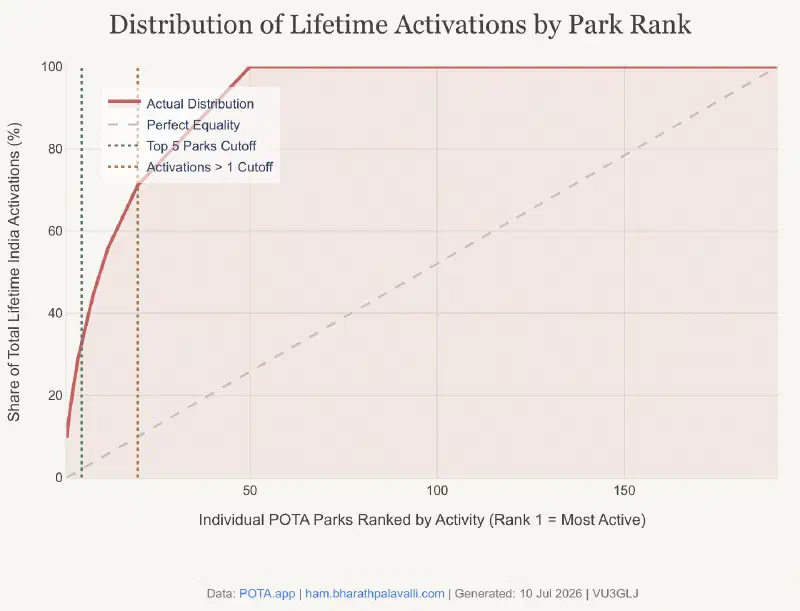
Figure 2: Lorenz curve of lifetime activations by park rank
Temporal Trends in Activations
- A slow rate of adoption since 2021
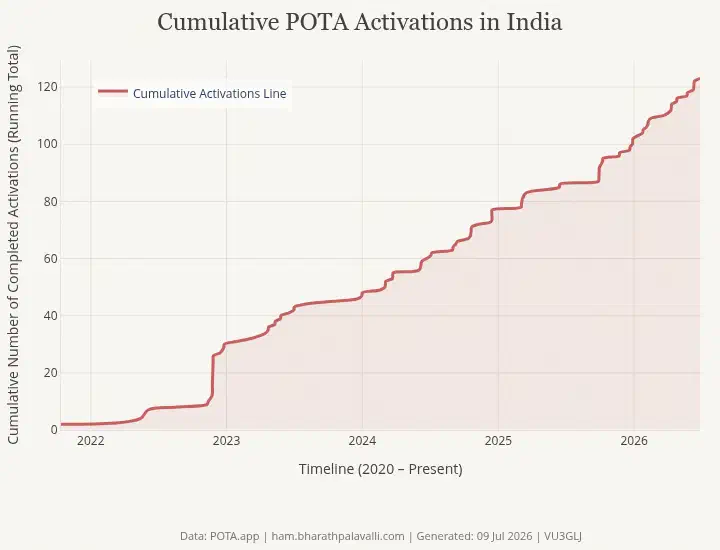
Figure 3: Cumulative growth of POTA activations in India
Year by year
| Year | Activation attempts | Cumulative |
|---|---|---|
| 2021 | 2 | 2 |
| 2022 | 28 | 30 |
| 2023 | 17 | 47 |
| 2024 | 30 | 77 |
| 2025 | 25 | 102 |
| 2026 | 217 | 123 |
- 123 attempts in all, of which 104 were successful8
Operator Demographics and Effort
481 active HF operators
| Data source | Found | Unique |
|---|---|---|
| Logbook of The World (LoTW) | 323 | +323 |
| Parks on the Air (POTA) | 49 | +25 |
| CQ contests | 247 | +53 |
| IARU HF Championship | 70 | +21 |
| ARRL contests | 69 | +6 |
| Reverse Beacon Network (24h) | 69 | +48 |
| PSKReporter (24h) | 12 | +4 |
| WSPRnet (monthly archive) | 5 | +1 |
| Total, de-duplicated | 481 |
Only 19 have attempted an activation
- 19 operators, 123 attempts, 104 successful, across 50 parks
- 17 of the 19 have at least one successful activation
- VU2UCR alone: 33% of attempts and nearly 40% of successful activations
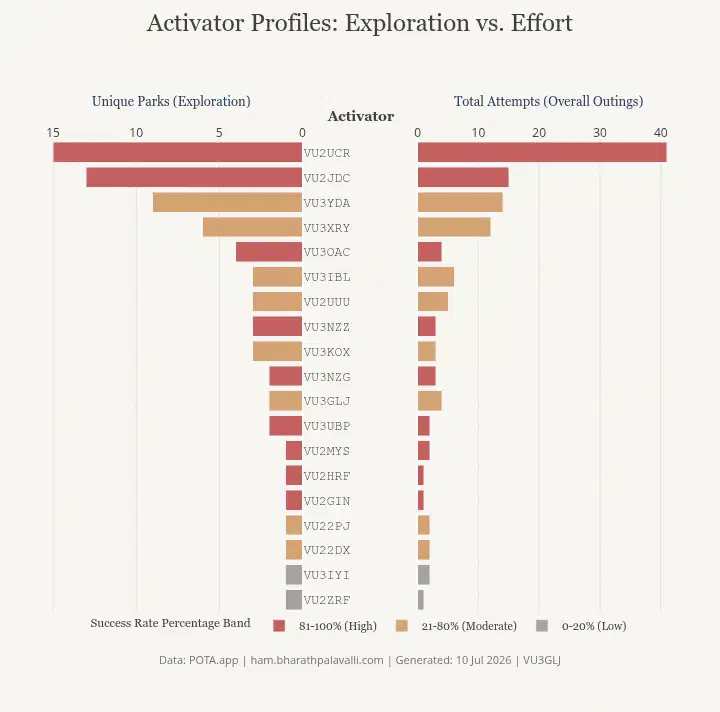
Figure 4: Exploration (unique parks) against total activation effort
General vs. Restricted
- VU2 = General grade, VU3 = Restricted grade9
- 9 General and 10 Restricted grade activators
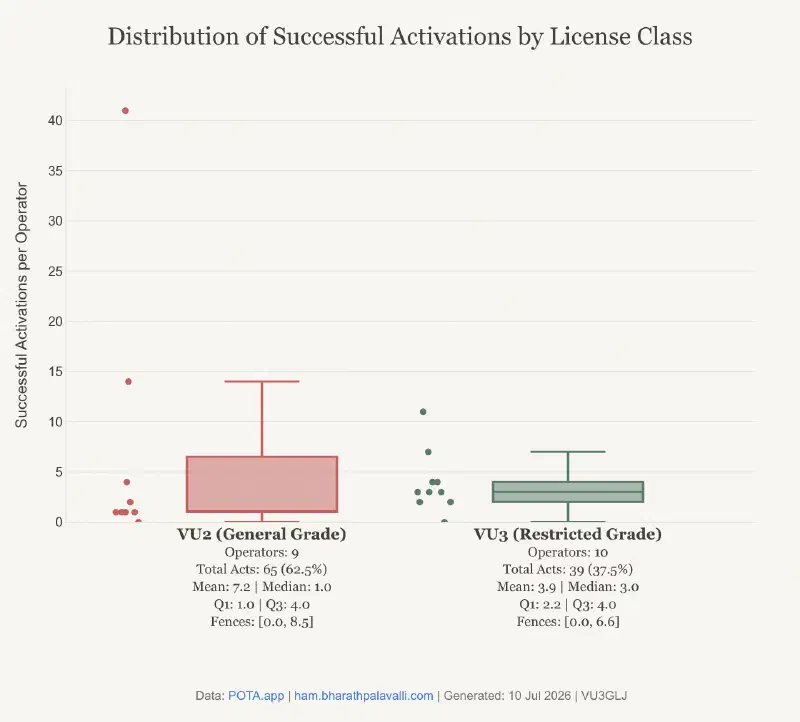
Figure 5: Comparison of General and Restricted grade license holders
Adjusting for the outlier
| Metric | General (all) | General (w/o VU2UCR) | Restricted |
|---|---|---|---|
| Operators | 9 | 8 | 10 |
| Total attempts | 70 | 29 | 53 |
| Successful | 65 | 24 | 39 |
| Mean successful | 7.2 | 3.0 | 3.9 |
| Median successful | 1.0 | 1.0 | 3.0 |
- Restricted (VU3) operators have the stronger baseline!
- Small sample, so one new active operator can shift this
Geographic Footprint and Exploration
- Bearing and distance of each activation from the operator’s QTH
- Only 5 of the 19 activators list their QTH on HamQTH10
- Most activations are close to home
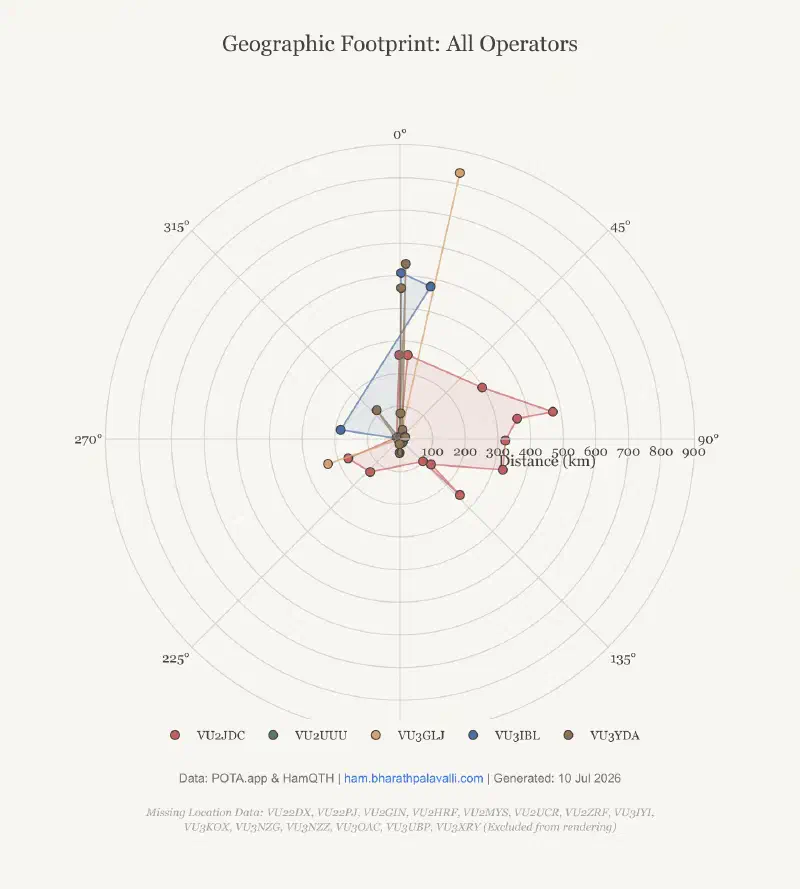
Figure 6: Travel distance of operators
Hunter Dynamics
- 142 hunters11, 71% of them DX
- Two domestic hunters: 10 and 5 unique parks, 26 and 12 QSOs
- No hunters from North America, South America or Africa
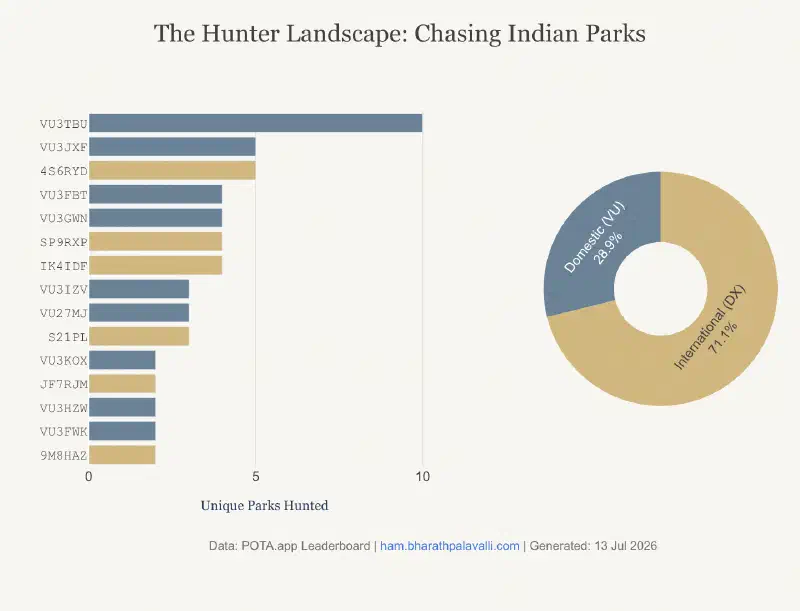
Figure 7: Domestic and international hunters of Indian POTA activations
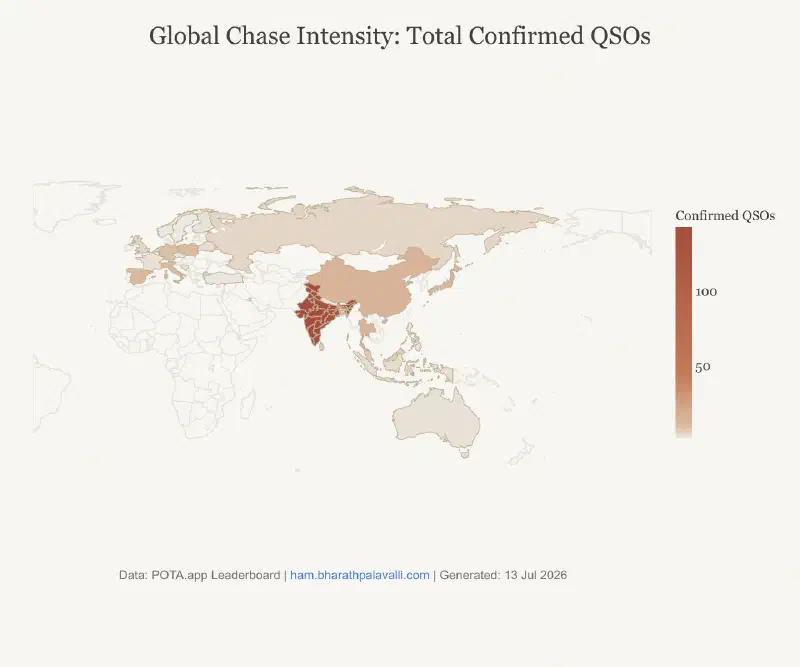
Figure 8: Geographic distribution of hunters of Indian POTA activations
Hypotheses for Low Activity
- 481 active HF operators, but only 19 activators. Why?
- Regulatory friction: park operations
- Regulatory friction: transit and travel12
- Equipment accessibility
- Cultural operational preferences
- Ageing operator demographic
- Lack of post-event youth mentorship
- Park accessibility
Regulatory friction and access
- Parks: Forest department permissions deter spontaneous deployments
- Travel: Security scrutiny of radios, antennas and lithium batteries on flights
- Park accessibility: Listed parks are mostly remote, protected biospheres
- We need more accessible urban and suburban parks
Equipment, culture and people
- Equipment: Import costs and limited domestic availability of portable HF rigs
- Culture: Preference for fixed-station DXing and VHF/UHF repeaters
- Demographics: “HAM is probably the only hobby where 40s is considered young”
- Mentorship: No pipeline after events such as JOTA-JOTI
A Practical Approach for New Activators
- Check the site: buffer zone, local authorities, wildlife paths, hazards
- Prepare the go-bag: modular, weather-proof, a dry bag for electronics
- Before heading out: pre-test equipment, print license and WPC notices, spot on pota.app
- Before getting on the air: deploy safely, check SWR, involve the community
- Wrap up: Leave No Trace, upload logs, a souvenir for participants
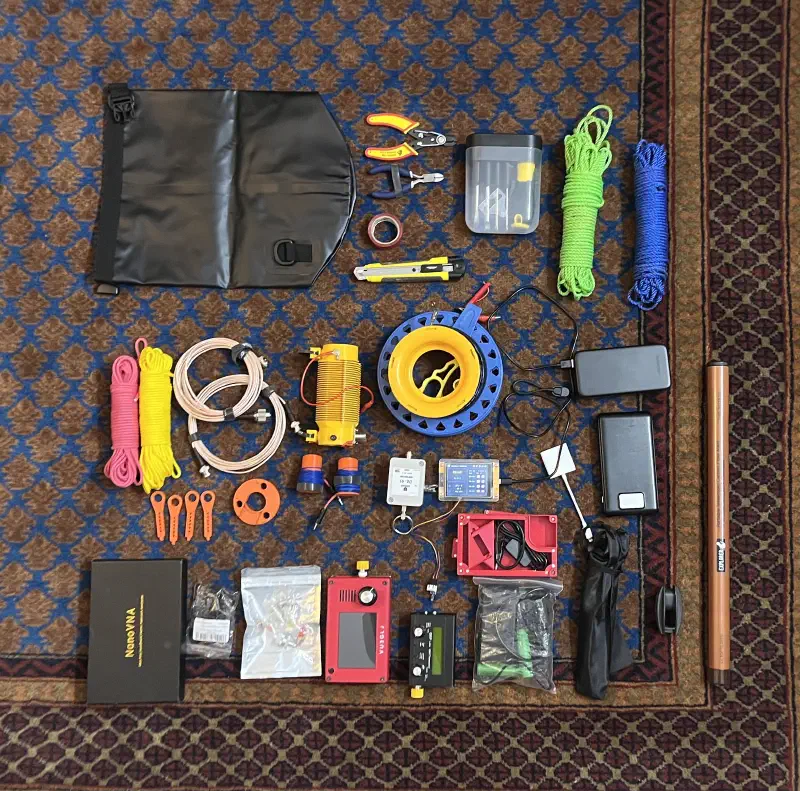
Figure 9: Author’s QRP back-pack with two radios, two antennas and misc. test equipment
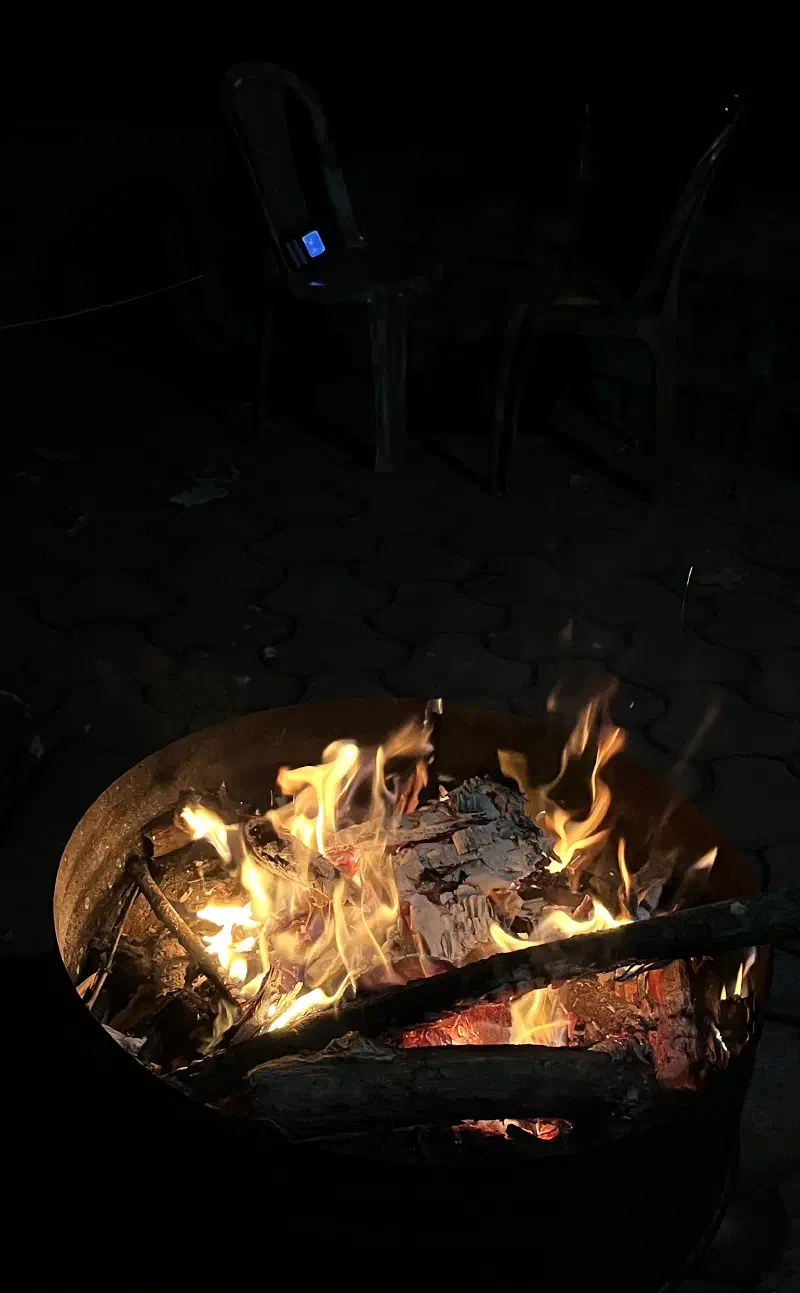
Figure 10: My own little bonfire while I activate IN-0067 (Tadoba)
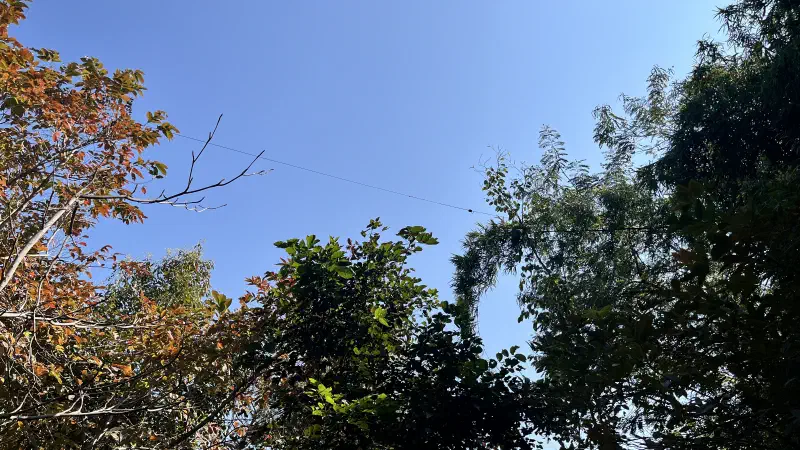
Figure 11: Top anchor of the EFHW radiating element at IN-0067
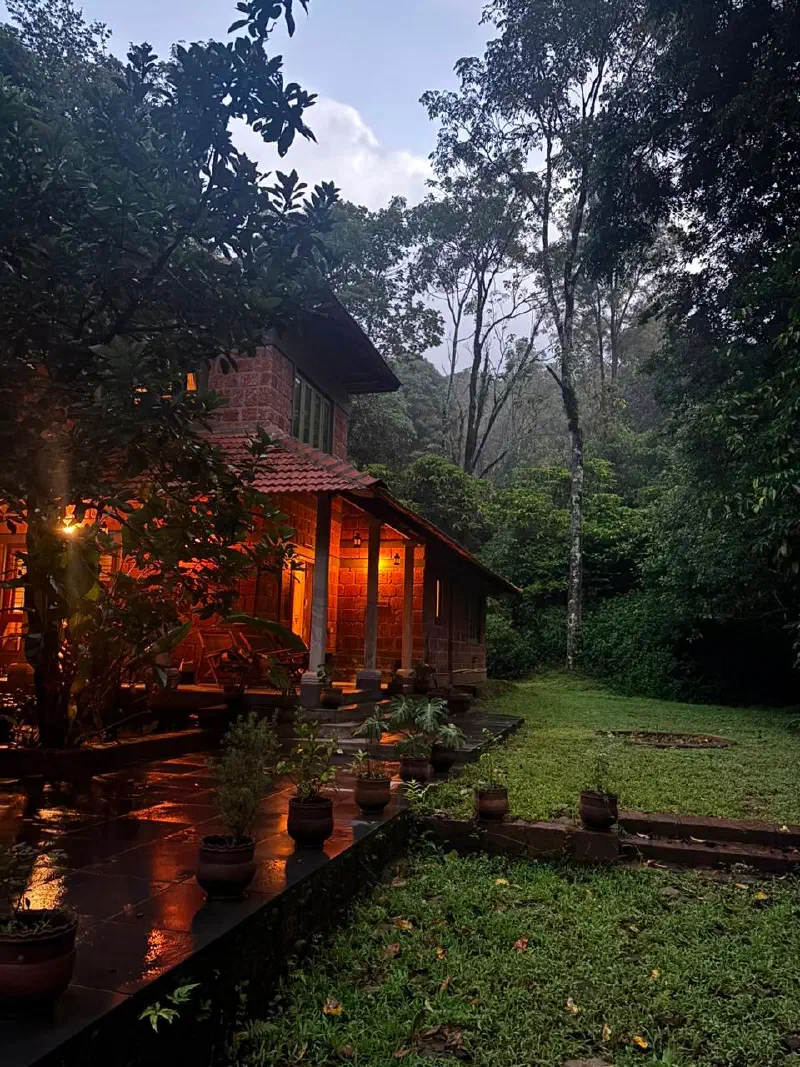
Figure 12: Lovely little location in the mountains, IN-0189 (Brahmagiri)
PC: One of the group members
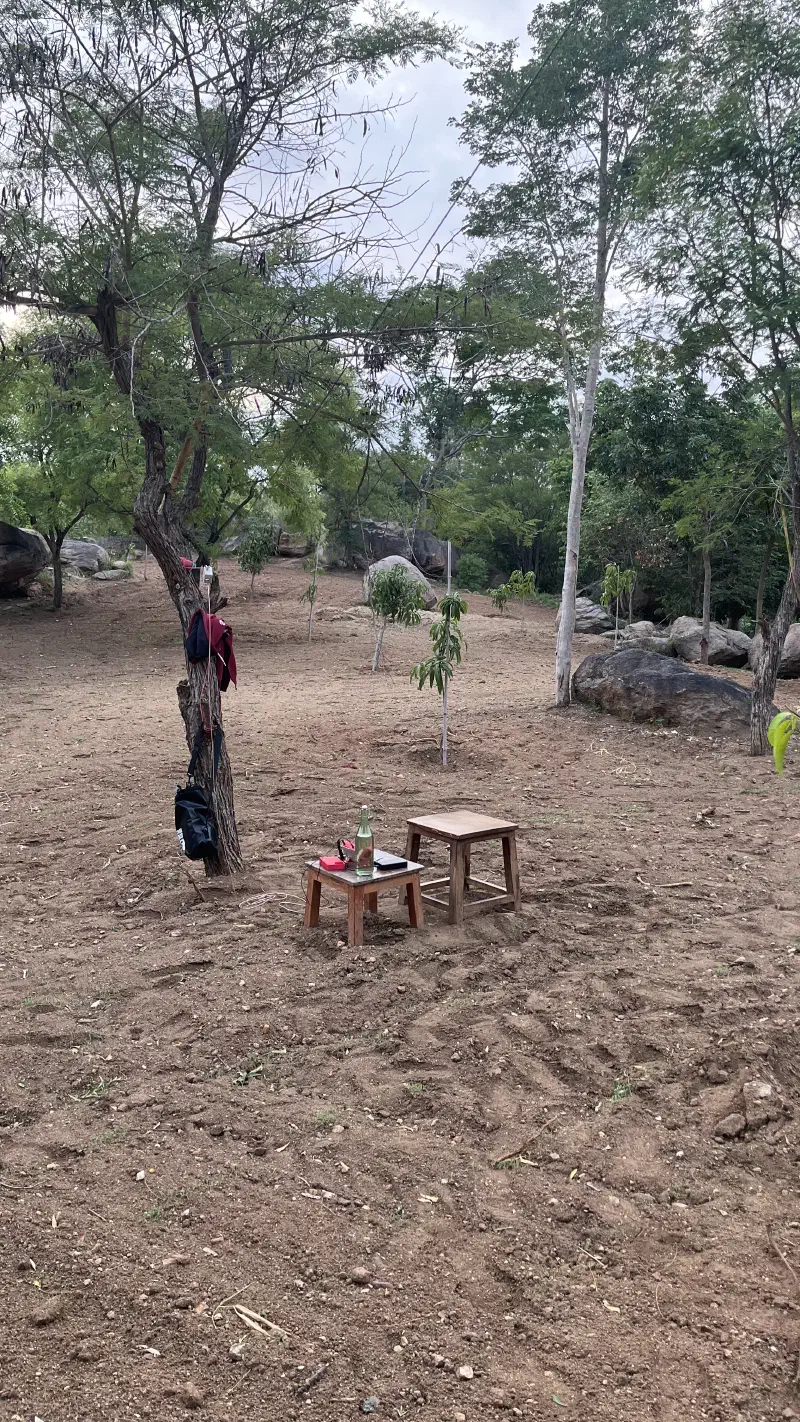
Figure 13: The chosen site and EFHW deployment at IN-0194 (Bananthimari)
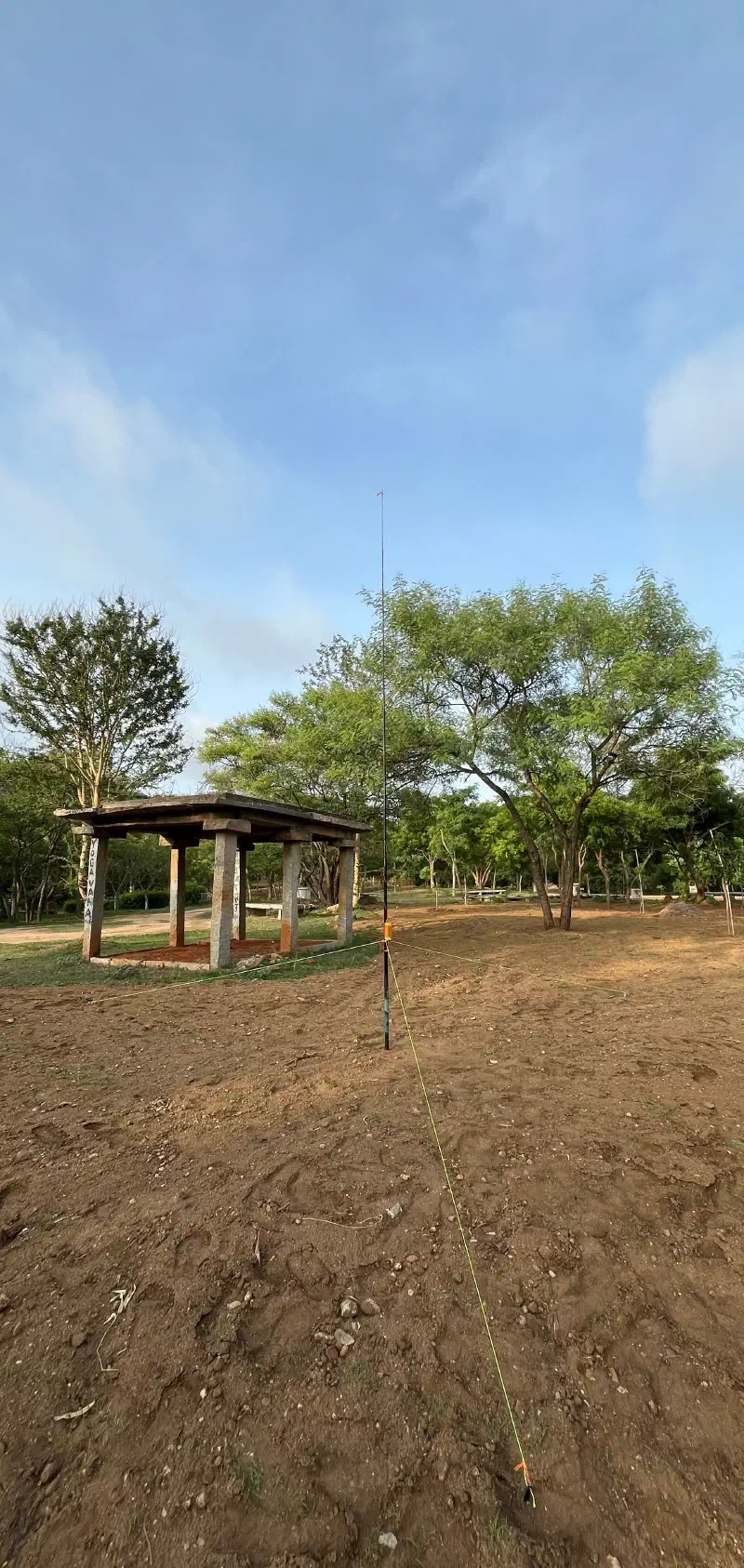
Figure 14: Deploying the vertical on-site for testing at IN-0194
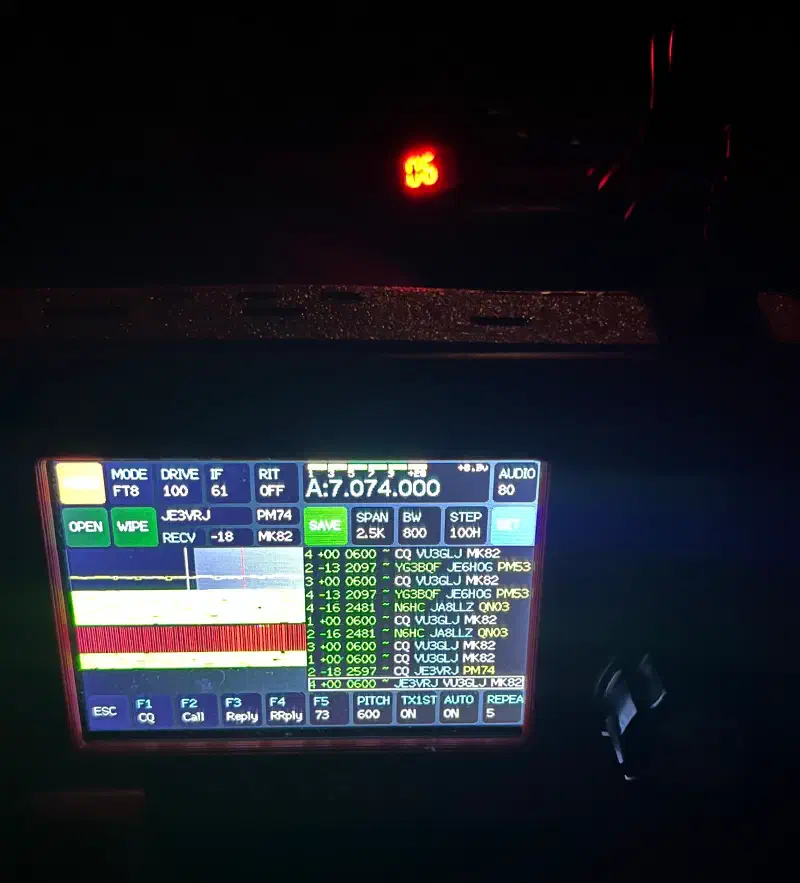
Figure 15: The station goes online in horrible conditions! IN-0194
Checklists for Field Operations
- One checklist for each step of the practical approach
- Details on the blog: Checklists for Field Operations
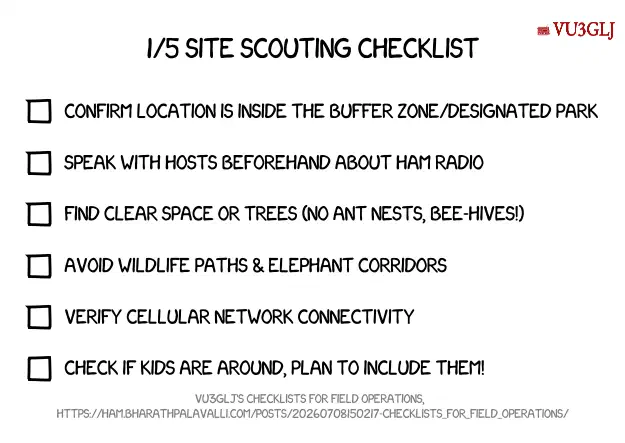
Figure 16: Step 1: Things to check at the shortlisted site
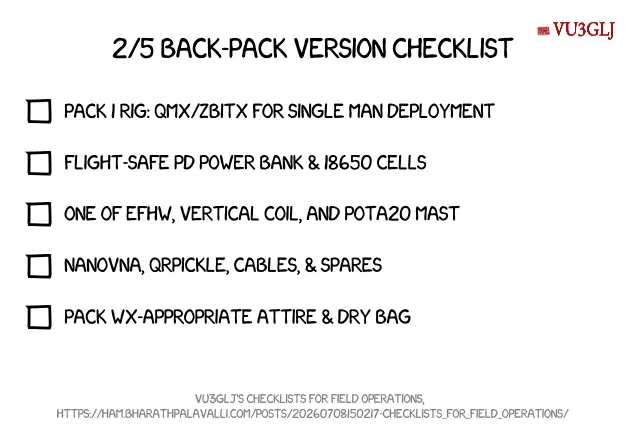
Figure 17: Step 2: Preparing the back-pack
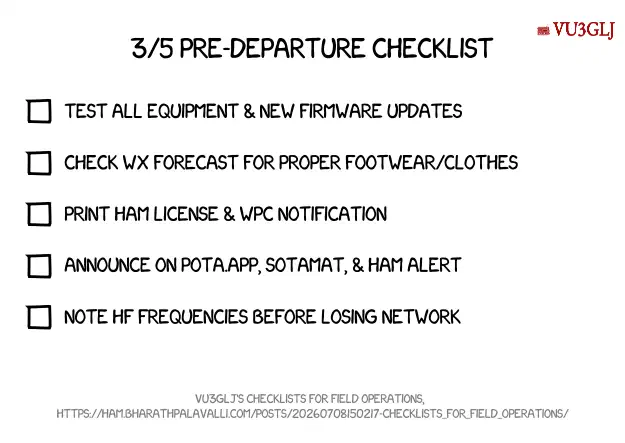
Figure 18: Step 3: Checks before heading out
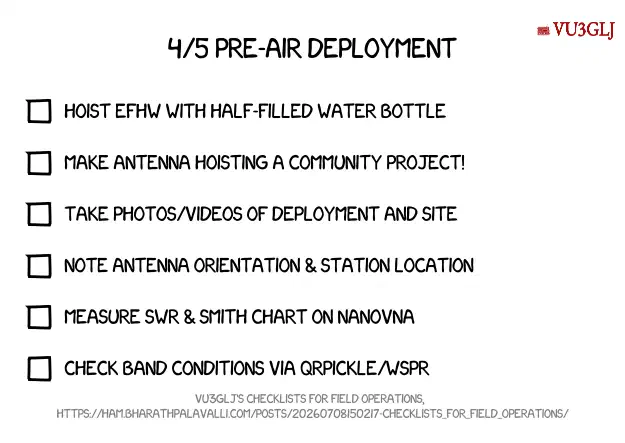
Figure 19: Step 4: Things to do before getting on the air
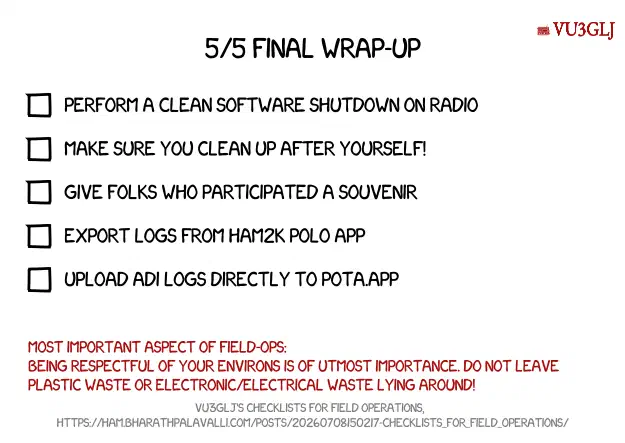
Figure 20: Step 5: Final wrap-up and Leave No Trace
Preparing a Station for POTA Operations
- Group or solo: a group shares the load, a solo trip needs a well-planned go-bag13
- QRP or QRO: a 1.5 kg back-pack or a full station with more reach14
- Wilderness or quick-mode: remote expeditions or a vehicle-based setup15
- Activation, targets or experimentation: chase DX, bands and modes, or test home-brew gear
QRPickle: A Field Companion
- An ESP32-CYD hand-held companion for field operations that I am building
- Band conditions, DX cluster, POTA/SOTA spots, satellite passes, APRS and local weather
- Open-source firmware: github.com/bmp/QRPickle
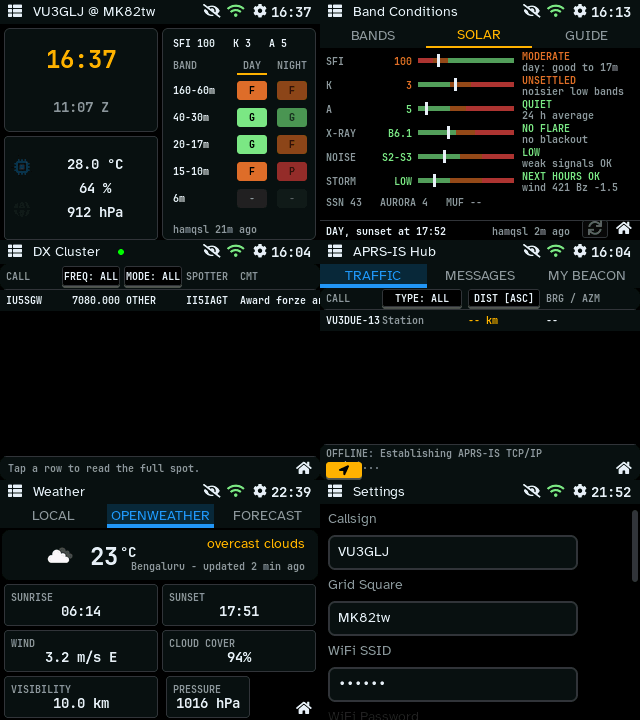
Figure 21: A tour of the QRPickle screens
Discussion and Future Work
- 481 active HF operators: a challenge and a big untapped potential
- Activation workshops and field mentoring at conventions such as Hamfest India
- Add more accessible, urban parks with the POTA administrators
- Streamlined WPC and Forest Department permissions for temporary field operations
Future work
- A qualitative study with current activators: challenges, go-bags and approaches
- Spatial analysis with operator QTHs: distance, terrain, travel and accommodation
- Make the analysis “live” as a dashboard
Update: What has changed since July?
- Same data sources and method, re-run on 15 Nov 202616
- About four months after the paper was submitted
July vs. November 2026
| Metric | 9 Jul | 15 Nov | Change |
|---|---|---|---|
| Parks listed | 191 | 196 | +5 |
| Parks activated | 50 | 57 | +7 |
| Unactivated parks | 141 | 139 | −2 |
| Successful activations | 104 | 116 | +12 |
| Activation attempts | 123 | 138 | +15 |
| Activators | 19 | 20 | +1 |
| Hunters | 142 | 154 | +12 |
| Hunters who are DX | 71% | 68% | −3 pts |
Highlights
- 2026 is now the most active year: 36 attempts vs. 30 in 2024
- New parks: Bhadra, Bananthimari and Someshwara (KA), Anamalai (TN), Srisailam (AP)
- 7 first-time activations, including Ladakh’s first two parks
- Pilikula Biological Park, Mangaluru, activated for the first time, close to HFI 2026!
- One new activator: VU3NQM
But the skew continues
- VU2UCR: 9 of the 12 new successful activations
- VU2UCR’s share of successful activations: 39% → 43%
- 10 attempts in the rest of July, then only 5 from August to October
- New hunters are mostly domestic: 41 → 50 VU hunters, 101 → 104 DX
Errata
Corrected in the camera-ready version of the paper:
| Section | Reads | Should read |
|---|---|---|
| II-B | Spotting networks “over the most recent 24 hour period” | RBN and PSKReporter: 24 hours; WSPRnet: May 2026 monthly archive |
| III-A | U.S.: 11,966 parks, “each of them” activated | Almost 12,000 parks, most activated at least once |
| III-A | Top 4 parks: 30 of 104 activations, “30%” | 28.8% |
| III-A | “No park … more than eleven times” | more than ten times |
Errata (continued)
| Section | Reads | Should read |
|---|---|---|
| III-C | POTA operators discovered: “29” | 49 (as in Table II) |
| III-C | “19 individuals have successfully activated” | 19 attempted; 17 had a successful activation |
| III-D | Fig. 5 note: “six activators” | five activators |
| III-E | 142 hunters | At least 142: leaderboards list only 5 hunters per park |
| References | FAQ URL truncated at “…Service-Rules-” | …Service-Rules-2024.pdf |
Acknowledgment and Data
- The Indian amateur radio community, for reviewing a preliminary version as a blog post
- LLMs assisted with the data scripts and typesetting; all code and results were verified
- Data: POTA.app, RBN, PSKReporter, WSPRnet, LoTW, and CQ and ARRL contest archives
- Paper, scripts and data: github.com/bmp/pota-india-hfi2026
- Paper (PDF): camera-ready version
Thank you!
- Bharath M. Palavalli, VU3GLJ
- Life Member, Bangalore Amateur Radio Club (BARC) and Amateur Radio Society of India (ARSI)
- vu3glj@disroot.org
- ham.bharathpalavalli.com
- Full analysis: Status of POTA in India
https://docs.pota.app/docs/rules.html (Last accessed: 10 Jul 2026). ↩︎
https://k4fmh.com/2026/01/26/a-snapshot-of-u-s-pota-sites-activators-and-activations/ (Last accessed: 09 Jul 2026). ↩︎
National Wildlife Data Center, https://v1.wii.gov.in/nwdc_aboutus (Last accessed: 13 Jul 2026). ↩︎
https://hfi2026.nitk.ac.in/participants (Last accessed: 09 Jul 2026). ↩︎
RBN and PSKReporter are 24-hour snapshots; WSPRnet is the May 2026 monthly archive. ↩︎
Parks are ranked from 1 (most activated) to 191 (least activated), and the cumulative share of activations is plotted against the rank. ↩︎
As of 9 Jul 2026. By 15 Nov 2026, 2026 had 36 attempts, making it the most active year so far. ↩︎
An activation needs 10 QSOs on a single UTC day. Attempts with fewer QSOs are counted as unsuccessful. ↩︎
License classes in India have changed several times; the prefix is used as a heuristic. ↩︎
Location data is behind paywalls on proprietary platforms, so only HamQTH is used. ↩︎
The POTA park leaderboard lists at most 5 hunters per park, so this counts hunters who appear in a park’s top 5. The true number of hunters is higher. ↩︎
DoT memorandums and FAQs clarify that carrying amateur radio equipment on domestic flights is permitted: https://arsi.info/wp-content/uploads/2024/12/Frequently-Asked-Questions-on-the-Telecommunication-Amateur-Service-Rules-2024.pdf ↩︎
See https://youtu.be/MZzqekrGJtI and https://www.facebook.com/VU2UUU (Last accessed: 15 Jul 2026). ↩︎
See https://www.youtube.com/@Harisriramaiah/videos for activations with an elaborate station by VU2UCR (Last accessed: 15 Jul 2026). ↩︎
See https://youtu.be/-dt-KXlIckg for challenging conditions and engagement activities by VU3KOX (Last accessed: 15 Jul 2026). ↩︎
Activations, attempts and activators for both dates were computed from the 15 Nov 2026 snapshot. Cutting that snapshot off at 9 Jul 2026 reproduces the paper’s numbers exactly. Hunter counts cannot be cut off by date, so the July hunter figures are from the paper. ↩︎